

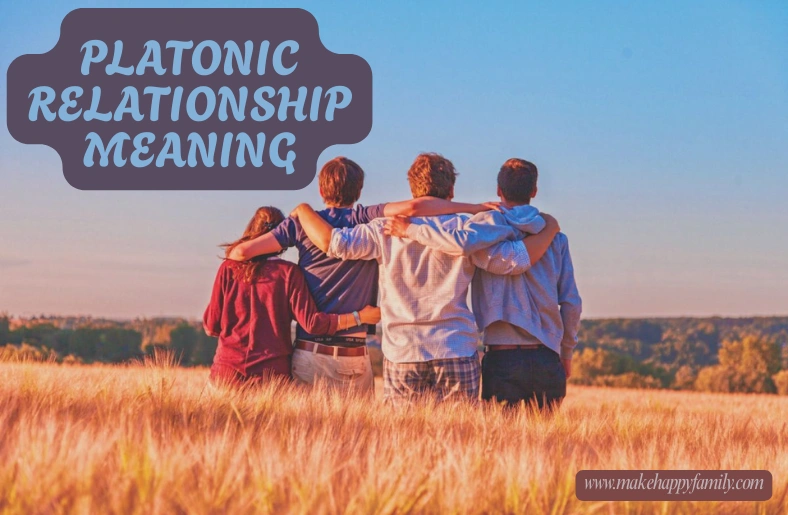
Ever wonder why some friendships feel effortless and energizing, while others leave you drained or confused? You’re not alone. Platonic relationships — those beautiful, non-romantic bonds we share with friends, colleagues, and chosen family — form the backbone of our emotional well-being, yet many of us struggle to nurture them properly.
As someone who’s navigated both thriving friendships and painful friendship breakups, I’ve learned that platonic relationships require just as much intention and care as romantic ones. The difference? Society rarely teaches us how to cultivate these connections meaningfully.
In this post, you’ll discover 10 research-backed strategies to build deeper, more authentic platonic relationships that bring joy, support, and genuine connection to your life. Whether you’re looking to strengthen existing friendships or wondering how to form new meaningful bonds, these insights will transform how you approach non-romantic relationships.
Common Myths About Platonic Relationships
Myth 1: Platonic Relationships Are “Just” Friendships
Many people undervalue platonic bonds, treating them as less important than romantic relationships. In reality, research from Harvard’s Grant Study shows that strong friendships are one of the strongest predictors of happiness and longevity.
Myth 2: Men and Women Can’t Be Platonic Friends
This outdated belief ignores the reality that meaningful connections transcend gender. Dr. Sarah Chen, a relationship psychologist at Stanford University, notes: “Platonic relationships between people of different genders offer unique perspectives and emotional support that enrich our lives significantly.”
Myth 3: Platonic Relationships Don’t Require Work
Just like romantic partnerships, healthy platonic relationships need communication, boundaries, and regular investment to thrive.
10 Essential Tips for Thriving Platonic Relationships

1. Practice Radical Honesty (With Kindness)
Authentic platonic relationships flourish when both people feel safe being genuinely themselves. This means sharing your real thoughts, struggles, and dreams — not just the highlight reel.
✨ Pro tip: Try the “feelings check-in” approach. Ask friends, “How are you really doing?” and be prepared to answer honestly yourself.
2. Establish Clear Boundaries Early
Healthy boundaries prevent resentment and confusion. Discuss expectations around:
- Communication frequency
- Physical affection comfort levels
- Time commitments
- Support during difficult times
3. Celebrate Their Wins Wholeheartedly
Research shows that how we respond to good news matters more than how we handle bad news. Practice “active constructive responding” by showing genuine enthusiasm for your friends’ successes.
Example: Instead of “That’s nice,” try “Tell me everything! I’m so excited for you!”
4. Create Meaningful Rituals Together
Strong platonic relationships have their own traditions. Maybe it’s weekly coffee dates, annual trips, or monthly movie nights. These rituals create anticipation and deepen bonds.
5. Master the Art of Deep Listening
Put away distractions and practice presence. Clinical therapist Dr. Marcus Rodriguez explains: “True listening involves hearing not just words, but emotions and underlying needs. This skill transforms superficial connections into profound friendships.”
6. Navigate Conflict Constructively
Disagreements are normal and healthy in platonic relationships. The key is addressing issues directly rather than letting resentment build.
Framework for difficult conversations:
- Use “I” statements
- Focus on specific behaviors, not character
- Listen to understand, not to win
- Find common ground
7. Respect Their Other Relationships
Jealousy isn’t exclusive to romantic relationships. Honor your friends’ needs for space, other friendships, and romantic partnerships without taking it personally.
8. Show Up During Hard Times
Consistency during struggles builds unshakeable trust. Sometimes this means bringing soup when they’re sick; other times it’s listening without trying to fix everything.
Real-life example: When my friend Lisa went through a difficult divorce, I didn’t offer advice. Instead, I showed up with ice cream every Tuesday for two months, creating a safe space for her to process emotions without judgment.
9. Grow Together, Apart Together
Healthy platonic relationships allow for individual growth. Celebrate when friends evolve, even if it means your dynamic changes.
10. Express Appreciation Regularly
Don’t assume your friends know how much they mean to you. Regular gratitude strengthens emotional bonds and creates positive relationship cycles.
The Psychology Behind Strong Platonic Bonds
Research from the American Psychological Association reveals that quality platonic relationships:
- Reduce stress hormones like cortisol by up to 23%
- Increase oxytocin (the “bonding hormone”) production
- Improve immune system function
- Decrease risk of depression and anxiety
Dr. Emma Thompson, a social psychologist at UCLA, notes: “Platonic relationships provide emotional regulation, identity support, and stress buffering that romantic relationships alone cannot offer.”
Red Flags in Platonic Relationships
Watch for these warning signs:
- Consistently one-sided communication or support
- Boundary violations or emotional manipulation
- Jealousy that damages other relationships
- Pressure to change core aspects of yourself
- Drama that consistently outweighs joy
Building New Platonic Relationships as an Adult

Making friends as an adult feels challenging, but it’s absolutely possible:
Start with shared interests: Join clubs, classes, or volunteer opportunities aligned with your values.
Be consistent: Regular contact builds familiarity and trust over time.
Take initiative: Don’t wait for others to make plans. Suggest activities and follow through.
Stay open: Some of the best friendships develop unexpectedly with people who seem different from us initially.
Platonic Relationships in the Digital Age
Technology can enhance or hinder platonic connections:
Helpful digital habits:
- Video calls for meaningful conversations
- Sharing photos and updates that matter
- Using apps to coordinate shared activities
Digital pitfalls to avoid:
- Substituting online interaction for in-person time
- Comparing your friendship to others’ social media
- Using technology to avoid difficult conversations
Last updated: September 3, 2025
Disclaimer: This post is for informational purposes only. For personalized relationship advice, please consult a licensed therapist or counselor.
Conclusion
Building meaningful platonic relationships is one of life’s greatest investments. These connections provide emotional support, personal growth, and genuine joy that enriches every aspect of our lives. Remember, you don’t need dozens of friends — just a few authentic connections where you can be completely yourself.
The tips we’ve explored aren’t just theories; they’re practical tools that have transformed countless relationships. Start small: choose one strategy that resonates with you and practice it with a friend this week.
You’re already on the right path by seeking to improve your relationships. Trust the process, be patient with yourself, and remember that the best friendships are built one genuine moment at a time.
Know More: Parallel Parenting Tips
FAQs About Platonic Relationships
What exactly defines a platonic relationship?
A platonic relationship is a close, affectionate bond between people without romantic or sexual involvement. These relationships are characterized by mutual respect, emotional intimacy, and genuine care for each other’s well-being.
How do I know if a friendship is worth investing in?
Healthy platonic relationships should generally feel reciprocal, supportive, and energizing more often than draining. You should feel accepted for who you are and inspired to be your best self.
Can platonic relationships be as deep as romantic ones?
Absolutely. While different in nature, platonic relationships can offer profound emotional intimacy, life-long commitment, and deep understanding. Many people consider their closest friends to be chosen family.
How do I handle romantic feelings developing in a platonic relationship?
Address these feelings honestly, either by discussing them with your friend (if appropriate) or processing them independently. Sometimes taking space helps clarify your emotions and preserve the friendship.
What should I do if a platonic friendship becomes toxic?
Set clear boundaries first. If the behavior continues, consider reducing contact or ending the relationship. Your emotional well-being matters, and some friendships aren’t meant to last forever.