

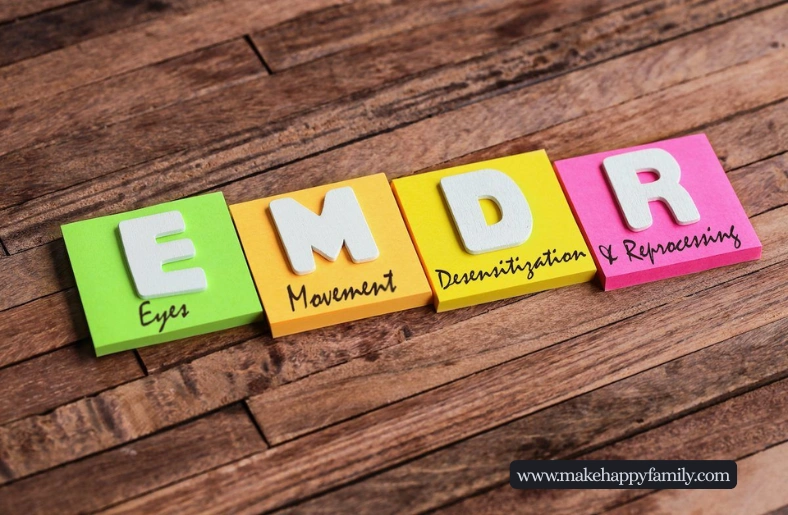
Eye Movement Desensitization and Reprocessing (EMDR) has transformed lives, helping people process trauma, anxiety, and depression in ways traditional talk therapy sometimes can’t. But like any powerful treatment, understanding the dangers of EMDR therapy matters—especially when you’re considering it for yourself or someone you love.
This isn’t about scaring you away from a potentially life-changing treatment. Instead, it’s about making informed, confident decisions for your mental wellness journey. By the end of this post, you’ll know the realistic risks, who should approach with caution, and how to protect yourself while still accessing EMDR’s healing potential.
Let’s talk honestly about what you need to know before booking that first session.
Last Updated: December 23, 2025
What Is EMDR Therapy? A Quick Foundation
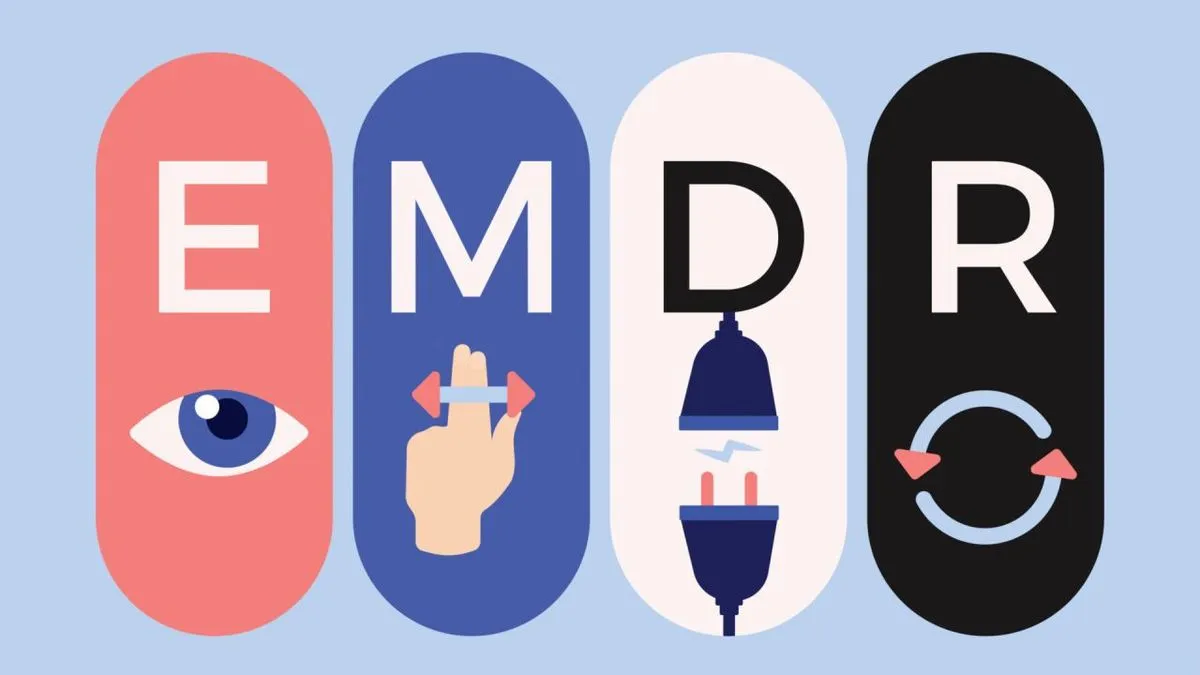
Before we dive into safety concerns, here’s a grounded emdr therapy definition: EMDR is a structured psychotherapy approach designed to help people heal from psychological distress caused by traumatic memories.
How Does EMDR Therapy Work?
How does emdr therapy work exactly? During sessions, your therapist guides you through recalling distressing memories while simultaneously directing your eye movements (or using tapping or sounds). This bilateral stimulation appears to help your brain reprocess traumatic memories, reducing their emotional charge.
The theory? When trauma happens, memories get “stuck” in a raw, unprocessed state. EMDR helps move these memories into long-term storage where they feel more like the past—not a present threat.
Many search for “emdr therapy near me” after hearing success stories. And yes, research backs its effectiveness—particularly for PTSD, with studies showing improvement rates of 77-90% in some cases.
But effectiveness doesn’t mean risk-free. Let’s look at what can go wrong.
Disclaimer: This post is for informational purposes only and does not replace professional medical advice. Always consult with a licensed mental health provider before beginning any new treatment, including EMDR therapy.
The Real Dangers of EMDR Therapy: What Research Shows
1. Emotional Overwhelm and Distress During Sessions
The most common challenge? EMDR brings traumatic memories to the surface—intentionally. That’s the point. But for some people, this activation feels unbearable.
One client I worked with described her third session: “I felt like I was drowning in the memory. My therapist guided me through, but for 48 hours after, I couldn’t shake the heaviness.”
EMDR therapy side effects during active processing can include:
- Intense emotional responses (crying, anger, fear)
- Physical sensations (rapid heartbeat, sweating, nausea)
- Temporary increase in distressing thoughts
- Vivid dreams or nightmares between sessions
These reactions usually pass, but they’re real and can feel scary in the moment.
2. Risk of Destabilization Without Proper Support
Here’s where things get serious: EMDR can destabilize individuals who aren’t adequately prepared or who lack sufficient coping resources.
If you’re already struggling with:
- Active substance abuse
- Severe dissociative disorders
- Current suicidal ideation
- Unstable life circumstances (homelessness, ongoing domestic violence)
…then jumping into trauma processing might be dangerous. Your nervous system needs grounding tools first.
3. Incomplete Processing Leading to Increased Distress
Sometimes a session ends before a memory is fully processed. You might leave feeling activated, with the traumatic material stirred up but not resolved.
Think of it like opening a wound to clean it—but not finishing the bandaging. Skilled therapists know how to prevent this, but it requires proper emdr therapy training and experience.
4. Misdiagnosis or Inappropriate Use
Not every problem is a trauma problem. Some therapists, enthusiastic about EMDR’s power, might apply it inappropriately.
EMDR therapy for depression or emdr therapy for anxiety works beautifully when these conditions stem from unprocessed traumatic experiences. But if your depression is biochemical or your anxiety is generalized without specific traumatic roots, EMDR might not be the right fit—or could even waste time you’d spend better elsewhere.
5. False Memory Creation (Though Rare)
This is controversial, but worth mentioning: In rare cases, suggestive questioning combined with the dissociative nature of memory work could potentially lead to memory distortions.
While this isn’t common with properly trained clinicians, it’s why working with an experienced provider matters tremendously.
Who Should Approach EMDR With Extra Caution?

Vulnerable Populations
Certain groups need additional safety measures:
People with complex PTSD or dissociative disorders: You might need phase-based treatment, spending months building stability skills before touching trauma memories.
Those with cardiac conditions: The physiological arousal during EMDR can spike heart rate and blood pressure. Always inform your therapist about heart conditions.
Individuals on certain medications: Some psychiatric medications affect memory processing. Discuss your full medication list with both your prescriber and EMDR therapist.
Pregnant individuals: While not contraindicated, the stress of trauma processing during pregnancy requires careful consideration and often delayed treatment.
Red Flags: When Your EMDR Therapist Isn’t Qualified
Not all therapists offering EMDR should be. Here’s what proper emdr therapy training looks like:
✅ Completed at least basic EMDR training (typically 40+ hours through EMDRIA-approved programs) ✅ Received consultation hours with experienced EMDR clinicians ✅ Holds credentials as a licensed mental health professional (psychologist, counselor, social worker) ✅ Understands trauma theory and nervous system regulation
Warning signs to watch for:
🚩 Rushes into trauma processing without building your coping skills first 🚩 Can’t explain their training credentials when asked 🚩 Dismisses your concerns about feeling overwhelmed 🚩 Offers unrealistically quick promises (“Three sessions and you’ll be healed!”) 🚩 Doesn’t screen you thoroughly for contraindications
Understanding EMDR Therapy Cost and Its Impact on Safety
Let’s talk money, because emdr therapy cost affects access and safety.
Typical ranges:
- $100-$250 per session (60-90 minutes)
- Insurance may cover it, but not always
- Full treatment: 6-12 sessions on average, though complex trauma takes longer
Here’s the hidden danger: Cost pressure can lead people to:
- Rush through processing before they’re ready
- Skip needed sessions due to financial strain (leaving trauma activated)
- Choose less experienced therapists because they’re cheaper
If emdr therapy cost is prohibitive, consider:
- Therapists who offer sliding scale fees
- Community mental health centers
- Training clinics where supervised interns provide reduced-rate services
- Insurance coverage for “trauma therapy” even if EMDR isn’t specifically listed
Don’t let financial stress push you into unsafe treatment pacing.
Making EMDR Therapy Treatment Safer: Practical Protection Strategies
Before You Start
1. Complete a thorough assessment Your therapist should spend 1-3 sessions evaluating:
- Your trauma history
- Current symptoms and functioning
- Support systems
- Coping skills
- Mental health history
- Physical health considerations
2. Build your resource bank Before touching trauma, you need:
- Grounding techniques (5-4-3-2-1 sensory awareness, safe place visualization)
- Emotional regulation skills
- A crisis plan
- Strong therapeutic alliance
3. Set realistic expectations EMDR isn’t magic. Healing is nonlinear. Some days will feel worse before they feel better.
During Treatment
Communicate constantly: If something feels wrong, speak up immediately. “I need to stop” is always acceptable.
Honor your window of tolerance: Processing works best when you’re activated enough to access the memory but regulated enough to stay present.
Use between-session support: Journal, practice grounding, lean on your support system.
After Sessions
Give yourself recovery time: Don’t schedule EMDR before a big presentation or stressful event.
Notice patterns: Track what helps you integrate between sessions (rest, gentle movement, creative expression).
Stay connected: Isolation after activation is risky. Maintain social connection.
The Other Side: Why EMDR Remains Valuable Despite Risks
I’ve spent this whole post on dangers, but context matters: For many people, the dangers of EMDR therapy are far outweighed by the danger of leaving trauma unprocessed.
Living with untreated PTSD carries its own severe risks:
- Chronic health problems (trauma affects immune function, cardiovascular health)
- Relationship destruction
- Substance abuse
- Suicide risk
- Diminished quality of life
When conducted properly, emdr therapy treatment can offer:
- Faster symptom relief than years of talk therapy
- Reduction in nightmares, flashbacks, hypervigilance
- Improved relationships and daily functioning
- Decreased medication needs for some individuals
The key phrase? “Conducted properly.”
Alternatives and Complementary Approaches
If EMDR feels too risky right now, other trauma-focused therapies exist:
Trauma-Focused Cognitive Behavioral Therapy (TF-CBT): More gradual exposure to traumatic memories Prolonged Exposure (PE): Another evidence-based approach for PTSD Somatic Experiencing: Body-focused trauma healing Internal Family Systems (IFS): Parts work that can feel gentler
For emdr therapy for anxiety or emdr therapy for depression specifically, consider combining EMDR with:
- Medication management
- Lifestyle interventions (exercise, sleep hygiene, nutrition)
- Mindfulness practices
- Supportive psychotherapy
You don’t have to choose just one path. Integrative treatment often works best.
Best Resources to Find EMDR Therapists:
When searching “emdr therapy near me,” don’t just book the first available appointment. Interview potential therapists about their training and approach.
1. EMDRIA (EMDR International Association)
- Visit: emdria.org
- Use their “Find a Therapist” directory
- Filter by location, specialization, and whether they accept insurance
- Shows therapists’ training levels and certifications
2. Psychology Today
- Visit: psychologytoday.com
- Search by your zip code
- Filter for “EMDR” under treatment approaches
- Read therapist profiles, see photos, check insurance accepted
3. Your Insurance Provider
- Call the number on your insurance card
- Ask specifically for “trauma therapists trained in EMDR”
- Get a list of in-network providers to manage costs
4. Local Mental Health Clinics
- Community mental health centers often have EMDR-trained staff
- Usually offer sliding scale fees
- Call and ask: “Do you have therapists trained in EMDR?”
Questions to Ask When You Call:
- “What level of EMDR training do you have?”
- “How many EMDR cases have you treated?”
- “Do you accept my insurance?”
- “What’s your approach to preparing clients before trauma processing?”
- “Can we schedule a brief phone consultation first?”
Conclusion
The dangers of EMDR therapy are real, but they’re also manageable with the right preparation, qualified therapist, and realistic expectations.
You’re not being overly cautious by asking these questions—you’re being smart. Mental health treatment should empower you, not leave you feeling unsafe or overwhelmed beyond your capacity to cope.
Remember: EMDR is a tool, not a magic solution. In the right hands, with proper timing and support, it can be life-changing. In the wrong circumstances, it can cause harm.
Trust your instincts. Interview therapists. Build your skills first. And know that whatever path you choose for healing, asking these hard questions means you’re already taking incredible care of yourself.
? FAQs
Can EMDR make trauma worse?
Temporarily, yes—during active processing, symptoms may intensify. However, with a skilled therapist and proper pacing, this activation leads to resolution rather than lasting deterioration. The key is ensuring you have adequate coping skills before starting.
What are the most common EMDR therapy side effects?
Emotional intensity during sessions, vivid dreams, temporary fatigue, physical sensations like headaches, and heightened awareness of memories between sessions. These typically resolve as processing completes.
How do I know if I’m ready for EMDR?
You’re likely ready if you have stable housing, aren’t in active crisis, possess basic emotional regulation skills, have a support system, and feel genuinely willing to process difficult memories. Your therapist should help assess readiness.
Is EMDR safe for everyone with trauma?
No. People with active psychosis, severe dissociative disorders without stabilization work, uncontrolled substance abuse, or recent heart attacks should delay EMDR or pursue modified protocols with specialized providers.
What should I do if EMDR feels wrong during a session?
Stop immediately. Tell your therapist “I need to pause.” A good therapist will respect this, help you ground, and adjust the approach. You’re always in control of whether to continue.