

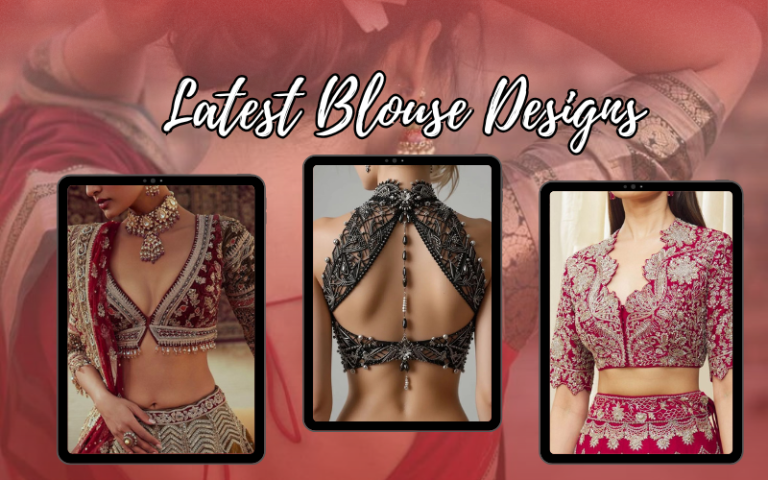
Clothes design becomes more useful when style and everyday comfort work together naturally. bestsimpledesign.com can help readers explore clothes design, garment ideas, fabrics, colors, tailoring details, silhouettes, clothing construction, and practical wardrobe inspiration. A garment may look impressive in a picture but still become disappointing when the wearer cannot move comfortably inside it. That difference between appearance and actual use matters quite a lot. People wear clothes while working, walking, sitting, traveling, shopping, relaxing, meeting others, and dealing with changing weather. Every one of those situations can reveal something about the quality of a design. Simple details often make the biggest difference because a useful pocket, comfortable waistband, flexible sleeve, or clean neckline can improve daily wear immediately. Designers also have countless ways to create personality without adding excessive decoration. Color, texture, stitching, buttons, panels, proportions, and fabric choice can all change the character of familiar clothing. Good design does not have to look complicated before it becomes interesting. Sometimes removing one unnecessary detail makes the whole garment look cleaner and more modern. Clothing should also remain easy to combine with other pieces because a garment that works with only one outfit may receive little regular use. Practical design leaves space for personal style while making normal dressing easier.
Think Beyond Basic Silhouettes
Silhouette gives clothing its first major visual impression, so small changes can completely alter a familiar garment. A straight shirt can become more relaxed through a wider body, while a slightly shortened length can create a cleaner modern appearance. Trousers can move from traditional toward contemporary through wider legs, softer shaping, or a more structured waistband. Dresses can change character through waist placement, hem shape, sleeve volume, or different levels of drape. Designers should avoid thinking that one silhouette must work for every wearer because bodies and preferences naturally differ. A practical design should offer enough movement without becoming shapeless or unnecessarily oversized. Fitted garments need comfortable space around shoulders, elbows, knees, and other areas that move repeatedly during daily activities. Loose garments also require balance because too much volume can create difficult proportions or unnecessary fabric weight. Testing clothing while sitting, walking, reaching, bending, and turning can reveal problems that remain invisible during a simple fitting. Designers can also compare the same pattern using different fabrics to see how much the silhouette changes through drape and structure. The goal is creating clothing that looks intentional from several angles while remaining comfortable during real movement. Strong silhouettes often depend on restraint because one clear shape usually communicates more effectively than several competing shapes.
Choose Fabrics For Real Life
Fabric selection deserves more attention because the material controls much more than the surface appearance of a garment. Cotton can provide familiar comfort, while linen blends can offer lighter options for warmer conditions. Denim can create structure and durability, whereas softer materials may produce more relaxed movement. Wool and heavier woven fabrics can support cooler-weather garments that need warmth and stronger shape. Stretch materials can add useful flexibility when the clothing is designed for movement throughout the day. Designers should also consider what happens after repeated washing, drying, ironing, folding, and wearing. Some fabrics shrink, fade, wrinkle, pill, or lose their original shape after regular care. A beautiful garment becomes less useful when maintaining it feels difficult every week. Fabric weight should match the intended season and level of activity because heavy material can become uncomfortable when the wearer remains active. Breathability can matter greatly during warmer days or crowded environments where body temperature naturally rises. Texture also provides another design opportunity because a textured fabric can create interest without additional prints or decorations. Designers should test fabric around seams, cuffs, folds, pockets, and fitted areas before approving a final garment. Different materials respond differently under tension and movement. Good clothes design respects those differences instead of expecting every fabric to behave identically.
Create Colors With Purpose
Color can transform the identity of clothing without changing its basic construction. Neutral shades such as black, white, cream, navy, grey, and brown provide flexible foundations for wardrobes that need easy coordination. Strong colors can become focal points when designers want clothing to appear more expressive. Deep green, burgundy, cobalt, rust, plum, and other rich shades can add character without requiring complicated patterns. Softer tones often produce quieter garments that work across several daily situations. Designers can also use contrast through collars, pockets, cuffs, seams, buttons, and inner panels rather than covering the complete garment with multiple colors. A small contrasting feature can attract attention while allowing the main color to remain dominant. Lighting should be considered because colors can appear noticeably different under daylight, office lighting, warm indoor lamps, or evening conditions. People should also think about how a garment will combine with other clothing already inside a practical wardrobe. An unusual color can look attractive alone but become difficult to wear when few other pieces coordinate naturally. Personal taste should remain important because clothing does not need to follow one universal color formula. A useful color system gives people enough flexibility to create different outfits without making every garment look identical. Strong color design often feels effortless because the shades appear naturally connected with the garment’s shape and purpose.
Give Sleeves Stronger Character
Sleeves provide designers with another way to create personality while also influencing comfort and movement. Fitted sleeves can create a cleaner outline, while wide sleeves can produce relaxed volume. Short sleeves may feel lighter during warmer conditions, while long sleeves provide more coverage and useful layering options. Puffed, gathered, cuffed, rolled, dropped-shoulder, and bell-shaped sleeves can create very different visual effects from similar garment bodies. Designers should decide where volume belongs because dramatic sleeves can quickly change the whole balance of an outfit. A simple garment body may support larger sleeves, while a highly decorated body usually benefits from quieter sleeve shapes. Practical use matters too because sleeves should allow normal movement around the shoulders and elbows. Clothing intended for work needs enough room for reaching, carrying, typing, and other repeated actions. Adjustable cuffs can provide useful flexibility when wearers want to change the sleeve position during different activities. Fabric behavior also influences sleeve shape because soft materials may drape naturally, while structured materials hold stronger forms. Designers should consider laundering as well because complicated sleeves can become difficult to wash, dry, fold, and store. A good sleeve design looks distinctive without becoming an obstacle during normal daily life. Sometimes a small change in width or cuff construction creates enough difference to refresh an otherwise familiar garment.
Rethink Neckline And Collar
Necklines and collars can strongly influence the upper appearance of clothing while also affecting comfort and accessory choices. Crew necks provide a simple familiar shape, while V-shaped, square, boat, round, band, and higher necklines create different visual impressions. Collar size also changes the balance around the face and shoulders. Large collars can become statement details, while smaller collars allow attention to move toward fabric, jewelry, or other garment features. Designers should consider how collars interact with jackets, scarves, necklaces, and layered clothing before selecting the final shape. A detailed neckline may already provide enough visual interest, making additional accessories unnecessary. A simple neckline can provide more room for jewelry or contrasting layers. Comfort should remain part of construction because rough edges or unstable seams around the neck can become irritating after several hours. Binding, stitching, lining, and fabric selection all influence the wearing experience. Neckline depth should also match the garment’s intended purpose because work clothing may require different coverage from relaxed social clothing. Designers can create distinction through subtle trim, contrast fabric, unusual collar proportions, or removable components. These changes can produce fresh designs without making the garment unnecessarily complicated. A thoughtful neckline often becomes one of those details that people appreciate more after repeated wear.
Design Pockets For Everyday Use
Pockets can make clothing significantly more practical while also contributing strongly to its visual design. Their size, placement, opening, depth, and shape can change how the garment looks and functions. Trousers need pockets that remain accessible while standing and sitting without creating excessive bulk. Jackets can support larger compartments when the structure remains strong enough to hold their shape. Shirts generally benefit from lighter pocket construction because heavier contents can pull against softer fabric. Designers should consider realistic usage rather than creating pockets that look attractive but cannot hold anything useful. Placement also matters because a pocket positioned too high, low, or wide can alter the visual proportions of the garment. Patch pockets often create a casual effect, while welt pockets can appear cleaner and more refined. Zippered pockets can provide additional security where the garment requires it. Reinforced stitching helps protect high-stress areas because pockets are frequently opened, closed, filled, and emptied. Hidden pockets can support practical storage while keeping a simple outer appearance. Designers should test whether pockets remain accessible when other layers are worn over them. A feature that works perfectly on one garment may become less useful once another layer is added. Good pocket design combines convenience, durability, proportion, and appearance without making the garment feel overloaded. Practical details often become the strongest reason people continue choosing one garment over another.
Experiment With Hem Shapes
Hems can change the movement and overall character of clothing through surprisingly small adjustments. Straight hems create a clean appearance, while curved, split, layered, angled, and uneven hems introduce different kinds of movement. A side split can make a longer shirt easier to walk in while also creating a more relaxed visual effect. Curved hems can soften structured clothing, while sharper angles may create a stronger modern appearance. Designers should test hem lengths against footwear because the relationship between the garment and shoes can change the overall proportions. Very long hems may become inconvenient around stairs, wet ground, or crowded spaces. Shorter hems may provide easier movement but create a different visual balance. Fabric weight also affects how a hem falls because heavier materials hold stronger shapes and lighter materials move more freely. Construction quality matters because hems receive repeated contact and regular washing. A poorly finished edge can quickly make even expensive-looking clothing appear less polished. Designers should consider whether the hem remains practical during sitting, walking, bending, and other ordinary activities. Unusual hem shapes should support the garment rather than becoming a decorative feature with no useful purpose. A thoughtful hem can provide enough design interest without requiring complicated patterns or excessive surface details.
Use Patterns More Carefully
Patterns can create immediate visual personality, although strong patterns need enough surrounding simplicity to remain useful. Stripes can create direction, checks can create structure, florals can appear softer, and geometric designs can create a more modern visual rhythm. Pattern size affects attention because large shapes usually stand out more strongly than small repeated motifs. Designers should also think about how patterns cross seams, pockets, sleeves, and curved garment sections. Alignment can make a major difference because poorly matched patterns may reduce the polished appearance of otherwise well-made clothing. Designers can use pattern placement strategically around cuffs, collars, pockets, side sections, or hems instead of covering every part of the garment. This approach allows personality without making the clothing difficult to combine with other wardrobe pieces. Strong patterns usually work best with quieter supporting clothing when the goal is balanced styling. A patterned garment should still remain wearable with simple trousers, skirts, jackets, or other neutral pieces. Designers can test patterns through complete outfits instead of examining fabric swatches alone. A beautiful pattern may become overwhelming once its full scale covers the body. The best pattern choices usually have enough character to remain interesting while still allowing the wearer several styling possibilities. Personal preference remains important because some people prefer understated surfaces while others enjoy expressive prints. Good pattern design leaves enough flexibility for both preferences.
Add Practical Adjustable Features
Adjustability can increase clothing usefulness when people need flexibility across different activities or temperatures. Drawstrings, adjustable tabs, removable belts, cuff fasteners, elastic sections, and adaptable closures can provide useful changes without replacing the garment. These features can work especially well for travel clothing, outdoor wear, relaxed garments, and pieces designed across several seasons. Adjustable sleeves can change coverage during different activities, while flexible waist details can improve comfort during long periods of sitting. Removable elements can also create different visual appearances from the same basic garment. Designers should keep adjustment systems simple because complicated mechanisms can discourage regular use. A feature is only helpful when people can understand it quickly and use it comfortably. Closures should remain secure during movement while still being easy to open when necessary. Adjustment points also need reinforcement because repeated handling can create additional stress around the construction. Designers should test these areas through realistic use rather than only checking them while the garment remains on a model. A garment that looks good in one position should still maintain a convincing shape after adjustment. Flexible design can extend the usefulness of clothing by allowing wearers to respond to changing conditions. This makes adjustability a practical design feature rather than another unnecessary complication.
Make Everyday Care Easier
Maintenance is part of clothing design because garments that are difficult to clean often receive less use. Designers should consider washing, drying, ironing, folding, storage, and repair before finalizing materials and construction. Everyday garments usually benefit from fabrics that tolerate regular cleaning without dramatic changes in shape or appearance. Decorative stitching, buttons, trims, and attached elements need strong construction because loose details can quickly reduce the garment’s quality. Care instructions should remain understandable enough for ordinary owners to follow without constant specialist assistance. Wrinkle resistance can become especially valuable for people with busy schedules or frequent travel requirements. Drying methods also deserve attention because unsuitable heat can damage certain materials or alter their shape. Designers should consider whether garments need hanging space or can safely remain folded inside ordinary storage. Some fabrics naturally resist wrinkles, while others require more careful treatment after washing. A good design can remain attractive without creating unnecessary ownership work. People are more likely to wear garments frequently when maintenance fits naturally into their existing routine. This also helps clothing remain valuable over a longer period because practical garments receive more regular use. Easy-care design does not mean removing personality from clothing. It means making sure interesting details do not create avoidable problems after purchase.
Build Clothes That Last
Durability can transform a nice-looking garment into something people continue trusting over several seasons. Strong seams, suitable fabric, secure closures, reinforced stress points, and quality construction all contribute to longer wear. Designers should identify areas that receive repeated friction or pulling during ordinary activities. Knees, elbows, shoulders, waistbands, pockets, hems, and closures can require different levels of reinforcement depending on the garment. Durable construction does not necessarily mean heavy clothing because strength can come through thoughtful stitching and suitable materials. Longevity also depends on whether the design remains visually useful after trends change. Extremely specific fashion details may lose appeal quickly, while balanced silhouettes and practical colors can remain easier to style. Designers can still include creative elements without making the garment completely dependent on one temporary trend. Repairability provides another advantage because a small damaged component should not automatically make the entire garment unusable. Replaceable buttons and accessible seams can support simple repairs when problems eventually occur. People often become attached to garments that remain dependable through repeated wearing and washing. That emotional connection can become part of the value of good clothes design. A durable garment should therefore be considered as a long-term product rather than something designed only for its first few weeks.
Design For Easy Outfit Mixing
A garment becomes more useful when it works with several other pieces already present inside the wardrobe. Designers can increase versatility through practical colors, balanced proportions, adaptable lengths, and simple details that do not limit styling choices. A shirt may work with trousers, skirts, jeans, or layered jackets when its shape remains reasonably flexible. A jacket can become more valuable when it fits comfortably over different types of tops. Dresses can gain versatility through silhouettes that suit several footwear and outerwear combinations. Designers should think about the complete wardrobe instead of treating every garment as an isolated design object. Clothing that works in several outfits can reduce pressure to purchase additional pieces for every new occasion. Accessories can also provide much of the variation when the underlying clothing remains simple. A practical garment can look different through belts, scarves, bags, footwear, or jewelry without changing the main design. Easy styling also reduces decision fatigue because people know that familiar pieces will probably work together. The best wardrobe designs create enough consistency for easy combinations while still allowing personal expression. Designers should therefore consider not only how attractive one garment looks alone but also how naturally it fits into ordinary clothing collections. Versatility increases the real usefulness of good design.
Consider Seasonal Flexibility
Seasonal clothing design should account for changing temperatures instead of depending entirely on one specific period of the year. Lightweight fabrics can support warmer conditions, while heavier layers provide greater coverage during cooler weather. Designers can create garments that work across seasons through layering, adjustable features, removable sections, or flexible styling. A lightweight shirt can become part of a cooler outfit when worn under a jacket. A dress can also remain useful across different temperatures when its silhouette allows coats, cardigans, or other layers without creating awkward bulk. Seasonal colors can refresh the wardrobe, although personal taste should remain stronger than strict fashion rules. Designers should also think about humidity, wind, sunlight, and rain because temperature alone does not determine comfort. Outerwear needs appropriate construction when garments are expected to handle changing weather. Storage should receive attention too because seasonal clothing may spend several months away from daily use. Fabrics that lose shape while folded or stored can reduce the usefulness of otherwise attractive garments. Flexible designs allow people to reuse favorite pieces instead of replacing them every season. This can make wardrobes smaller while still providing enough variety throughout the year. Seasonal flexibility therefore adds value by extending the situations in which one garment can remain useful.
Add Personal Details Quietly
Personal details can make simple clothing feel distinctive without requiring excessive decoration. Contrast buttons, unusual stitching, small embroidery, distinctive linings, subtle color panels, removable collars, and carefully shaped cuffs can provide individual character. These details can become especially effective when the main garment remains simple. People often appreciate small differences because they make familiar clothing feel less generic while keeping it easy to wear. Designers should consider whether personal details can survive regular washing and movement because weak decoration can quickly become damaged. Removable elements can provide another practical option when wearers want different appearances from the same garment. A simple jacket may become more distinctive through lining, button choice, or a slightly unusual pocket shape. The design should still remain coherent because unrelated details can make the garment look confused. Personalization works best when the visual language feels connected across the entire piece. Designers can also create small distinctions between garments within the same collection so people can build coordinated wardrobes without wearing identical designs. Personal details should support the person wearing the garment rather than overpowering them. A small feature that remains enjoyable after many wears may be more valuable than a dramatic detail that quickly becomes tiring. Good clothes design leaves enough space for personality without making the garment difficult to live with.
Think About Everyday Lifestyle
Lifestyle should influence clothing design because people do not all move through their days in the same way. Someone who spends much of the day traveling may value lightweight materials, easy care, secure pockets, and flexible layering. A person working in an office may prefer structured clothing that coordinates easily and remains comfortable while sitting for long periods. Active lifestyles can require more freedom around shoulders, knees, elbows, and other moving areas. People who spend substantial time outdoors may need fabrics and layers that respond better to weather conditions. Designers should therefore consider where the garment will actually be worn and what activities will happen while it is being used. Storage space can also matter because people living with smaller wardrobes may prefer garments that serve several styling purposes. Frequent-use clothing deserves stronger construction because it receives more wear than occasional pieces. Travel garments may benefit from wrinkle resistance and flexible color choices that work with multiple outfits. Home clothing may prioritize softness and relaxed movement rather than structured appearance. Good design begins to feel more valuable when it respects these practical differences. A garment should support the wearer’s routine rather than force the person to change their routine around the clothing. Clothes become genuinely useful when design responds to real life instead of an imaginary idealized lifestyle.
Conclusion
Clothes design becomes stronger when creativity is balanced with comfort, useful construction, durability, and real everyday movement. Silhouettes can change dramatically through small adjustments, while fabric selection influences how garments feel, move, wash, and perform across different seasons. Color systems can provide personality and easier outfit coordination, while collars, necklines, sleeves, hems, pockets, and patterns offer plenty of opportunities for fresh design without excessive decoration. Adjustable features can make clothing more flexible, while practical construction can improve long-term comfort and usefulness.
Maintenance deserves equal attention because people are more likely to wear garments that can be washed, stored, repaired, and cared for without unnecessary difficulty. Durable materials and strong construction can help clothing remain useful after repeated wear, while repair-friendly details prevent small problems from ending the life of otherwise valuable garments. Seasonal flexibility can extend the usefulness of favorite pieces, and easy outfit mixing can help people create more combinations without constantly purchasing new clothes.
Personal details can give simple clothing its own identity, but those details work best when they remain connected with the garment’s overall purpose. Lifestyle should also influence design because work, travel, movement, climate, storage, and daily routines all affect what people actually need from clothing. The strongest designs usually feel natural because useful features become part of the garment instead of appearing as unnecessary additions.
For readers interested in clothes design, garment shapes, fabric selection, color ideas, sleeves, collars, necklines, pockets, hems, patterns, adjustable features, easy-care clothing, durable garments, seasonal flexibility, personal details, and practical wardrobe design, continue exploring dependable fashion resources and useful design guidance through bestsimpledesign.com, study clothing details carefully, experiment with practical combinations, focus on comfort and long-term use, and build a wardrobe filled with garments that feel distinctive, useful, and genuinely easy to wear.
Read also :-