

Introduction
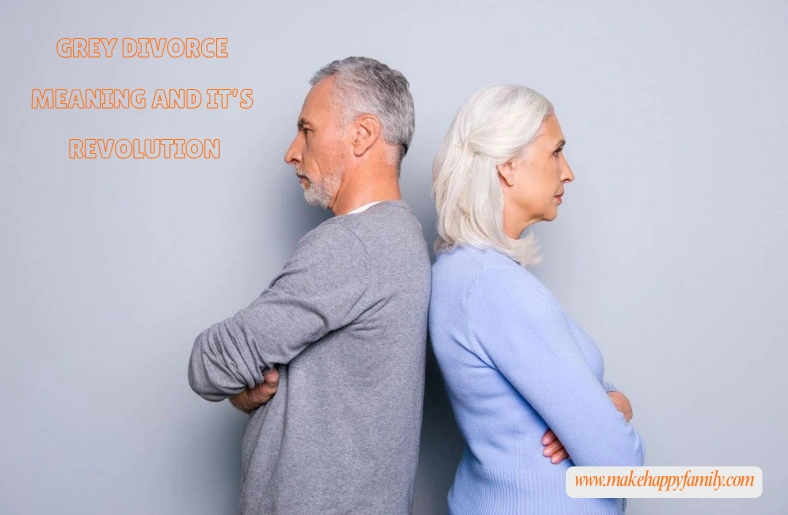
Have you ever looked at your spouse across the breakfast table and wondered, “When did we become strangers?” If you’re over 50 and feeling disconnected from your partner, you’re not alone. Grey divorce—the phenomenon of couples divorcing after age 50—has doubled since 1990, affecting nearly 25% of all divorces today.
This later-life separation brings unique challenges that younger couples rarely face: decades of shared history, complex financial portfolios, adult children caught in the middle, and the daunting prospect of rebuilding life in your golden years. Whether you’re contemplating this difficult decision or already navigating the process, this guide will help you approach grey divorce with wisdom, dignity, and hope for your future.
You’ll gain insight into why grey divorce happens, practical strategies for protecting your emotional and financial wellbeing, and evidence-based approaches to heal and thrive after decades of marriage.
Why Grey Divorce Happens: Common Triggers After 50

Empty Nest Syndrome and Rediscovering Identity
When children leave home, many couples realize they’ve grown apart while focusing on parenting responsibilities. Without the shared purpose of raising kids, some discover they no longer share common interests or values.
“I see this frequently in my practice,” says Dr. Sarah Mitchell, a licensed marriage counselor with 20 years of experience. “Couples who built their entire relationship around their children suddenly find themselves living with a stranger.”
Financial Independence and Women’s Empowerment
Today’s 50+ women are more financially independent than previous generations. This economic freedom allows them to leave unsatisfying marriages that earlier generations might have endured.
Health Scares and Life Perspective Shifts
A serious illness or health scare often prompts people to reassess their priorities. Some realize they want to spend their remaining years differently, potentially without their current partner.
Infidelity and Trust Issues
After decades together, discovering a partner’s betrayal can feel devastating. Many older adults struggle to rebuild trust when they feel time is limited.
The Emotional Journey: What to Expect

Grief for Lost Dreams
Ending a long marriage means grieving not just the relationship, but the future you’d planned together. It’s normal to feel sad about missed grandparent moments, travel plans, and retirement dreams.
Relief Mixed with Fear
Many people experience simultaneous relief at ending an unhappy marriage and terror about starting over. Both emotions are completely valid.
Shame and Social Stigma
Some older adults face judgment from peers who view divorce as failure, especially in conservative communities. Remember: choosing happiness over unhappiness is never failure.
Financial Considerations: Protecting Your Future
Retirement Account Division
Dividing 401(k)s, IRAs, and pension benefits requires careful legal and financial planning. A Qualified Domestic Relations Order (QDRO) may be necessary to split retirement accounts without tax penalties.
✨ Pro tip: Consult a financial advisor specializing in divorce before making any major decisions about retirement accounts.
Social Security Benefits
If you were married for at least 10 years, you may be entitled to spousal Social Security benefits based on your ex-spouse’s earnings record, even after divorce.
Healthcare Coverage Considerations
Losing spousal health insurance coverage is a significant concern. Research COBRA options, marketplace plans, or Medicare eligibility carefully.
Housing Decisions
Deciding whether to keep the family home involves more than emotional attachment. Consider property taxes, maintenance costs, and whether the space fits your new lifestyle.
Practical Steps for a Peaceful Grey Divorce

1. Prioritize Mediation Over Litigation
Collaborative divorce or mediation often works better for older couples with complex assets and the desire to preserve dignity.
2. Focus on Adult Children’s Wellbeing
Your adult children may struggle with your divorce, especially if they viewed your marriage as stable. Consider family counseling to help everyone adjust.
3. Create New Support Networks
Rebuilding social connections becomes crucial when friend groups often split along couple lines. Join clubs, volunteer organizations, or online communities for divorced adults.
4. Take Care of Your Physical Health
Divorce stress can impact immune function and overall health. Maintain regular medical checkups, eat well, exercise, and prioritize sleep.
Moving Forward: Building Your New Life
Rediscovering Your Individual Identity
After decades of being part of a couple, rediscovering who you are as an individual takes time. This process, while challenging, can also be incredibly liberating.
Dating After Grey Divorce
If you choose to date again, approach it with realistic expectations. Modern dating looks very different than it did in your younger years, but meaningful connections are absolutely possible.
Financial Independence Strategies
Create a realistic budget for your new single life. Consider part-time work if retirement funds are insufficient, or explore ways to monetize hobbies and skills.
Relationship with Ex-Spouse
Maintaining civility with your ex-spouse benefits everyone, especially if you share grandchildren. Focus on creating new boundaries while preserving mutual respect.
About the Author
Sarah Thompson, LMFT is a licensed marriage and family therapist with 15 years of experience helping couples and individuals navigate major life transitions. She specializes in later-life relationship challenges and has helped hundreds of clients through grey divorce proceedings. Sarah holds certifications in collaborative divorce mediation and is a frequent speaker at conferences on aging and relationships.
Real-Life Success Stories
Margaret’s Journey
“After 28 years of marriage, I felt invisible in my own home. My husband and I had become roommates, not partners. The divorce process was difficult, but at 55, I’ve rediscovered my love for painting and even started selling my work at local galleries. I’m happier now than I’ve been in decades.”
Robert’s Transformation
“I was terrified about divorcing at 58, but staying in an unhappy marriage was slowly killing my spirit. Two years later, I’ve built a strong support network through my hiking club and volunteer work. I’m even considering moving to the mountains like I always dreamed.”
Expert Insights on Grey Divorce Recovery
Dr. Jennifer Adams, a psychologist specializing in later-life transitions, explains: “Grey divorce often represents a chance for authentic self-expression that may have been suppressed during long marriages focused on family building and career advancement. With proper support, many people experience significant personal growth.”
Last updated: September 2024
Disclaimer: This post is for informational purposes only. For personalized advice about your specific situation, please consult a licensed therapist, attorney, or financial advisor specializing in divorce matters.
Conclusion
Grey divorce, while challenging, can open doors to authentic happiness and personal fulfillment in your later years. The key is approaching this transition with realistic expectations, proper support, and patience with yourself as you navigate this major life change.
Remember: choosing to end an unhappy marriage takes courage, not failure. You deserve to spend your remaining years in genuine contentment, surrounded by people who value and appreciate you. Whether that means reconciling with your current spouse through counseling or building a new life apart, trust your instincts about what will bring you peace.
The journey ahead may feel uncertain, but thousands of people successfully navigate grey divorce every year, emerging stronger and more self-aware. You’re doing better than you think, and brighter days await.
> Read Also: Homemade Gifts Made Easy Coloring Pages
How long does the average grey divorce take?
Most grey divorces take 6-18 months to finalize, depending on asset complexity and cooperation level between spouses. Mediated divorces typically resolve faster than contested ones.
Will I lose half of everything in a grey divorce?
Asset division varies by state and individual circumstances. Many older couples have complex assets requiring careful valuation and division. Equitable distribution doesn’t always mean 50/50 splits.
How do I tell my adult children about our divorce?
Have an honest conversation together if possible, emphasizing that this decision isn’t their fault and that both parents will remain in their lives. Consider family counseling if needed.
What is the grey divorce meaning in Hindi?
Grey divorce in Hindi can be understood as “प्रौढ़ावस्था में तलाक” (praudhavastha mein talaq) or “पचास के बाद तलाक” (pachaas ke baad talaq), which translates to “divorce in mature age” or “divorce after fifty.” The term represents the growing trend of couples separating after decades of marriage, typically when they’re in their 50s or older.
Is it too late to start over at 50+?
Absolutely not. Many people find their 50s, 60s, and beyond to be the most fulfilling decades of their lives. You have wisdom, experience, and hopefully some financial stability to build upon.
What is grey divorce in India?
Grey divorce in India is increasing among urban, educated couples over 50. While traditionally taboo, changing social attitudes, women’s financial independence, and longer life expectancy are making later-life divorce more acceptable. Indian courts now see more cases of couples seeking separation after 20-30 years of marriage, particularly in metropolitan cities like Mumbai, Delhi, and Bangalore.