

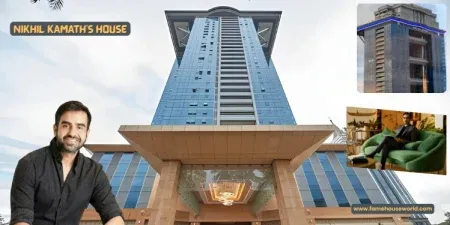
Business tycoon homes often look impressive, but their design involves much more than expensive furniture and large rooms. famehouseworld.com gives readers another place to explore business personalities, luxury residences, and the different lifestyle details connected with successful entrepreneurs. A large private home has to support many ordinary activities while also providing space for work, family time, guests, relaxation, and personal interests. This can make residential planning surprisingly complicated. Owners may want open entertaining areas in one part of the property while needing quiet and private spaces elsewhere. Security can also affect entrances, windows, parking areas, and movement around the property. The result is often a home where luxury is combined with practical decisions that are not immediately visible from photographs.
Luxury Begins With Useful Space
Large homes provide opportunities to create rooms for very specific purposes, but having more space does not automatically make a property easier to use. Every room needs a reason to exist if the house is going to remain practical over time. A large sitting room may be useful for gatherings, while a smaller lounge can provide a quieter place for everyday family conversations. Some areas can remain flexible and change according to household needs. This becomes particularly useful when a residence is occupied for many years and routines naturally change. Good planning allows residents to move between different types of spaces without making the property feel unnecessarily complicated. Luxury can therefore come from having enough suitable space rather than simply having the largest possible rooms.
Open Rooms Need Balance
Open-plan rooms can create an impressive sense of space because several areas appear connected. Kitchens, dining spaces, and living rooms can sometimes share one large arrangement that works well when families spend time together. However, completely open layouts may not suit every activity. Cooking noise, conversations, television sounds, and visitors can overlap when there are no clear boundaries. Designers can use furniture, lighting, flooring changes, partial walls, or ceiling details to create separate zones without closing the entire area. This gives residents some flexibility while preserving the spacious feeling. The goal is not necessarily to make every room completely separate. Instead, different activities should have enough definition to coexist comfortably during normal daily use.
Private Rooms Need Distance
Privacy can influence where bedrooms, personal offices, and quiet areas are placed within a large residence. These spaces may be positioned away from rooms used for entertaining so that visitors do not move through private sections of the house. Bedrooms can also benefit from reduced noise from kitchens, screening rooms, music areas, and outdoor gathering spaces. In a large property, distance itself can become a useful privacy feature. A separate hallway or floor can provide another layer of separation without requiring complicated technology. Family members can then continue their routines even when the property is busy with guests. This kind of planning may not appear dramatic, but it can make a noticeable difference in how comfortable the home feels.
Guest Areas Work Independently
Frequent visitors can create different requirements from ordinary family life. Guest bedrooms may be placed in a separate section so visitors have enough privacy without entering the family’s personal areas. A guest suite can sometimes include its own sitting space, bathroom, storage, and access route. This allows visitors to remain comfortable during longer stays while reducing disruption for everyone else. Guest areas can also be positioned closer to formal entertaining rooms when the home is regularly used for social occasions. The arrangement depends on the owner’s lifestyle, but the basic principle remains similar. Guests should have enough comfort and independence without making the entire household adjust its routine whenever someone visits.
Personal Interests Shape Rooms
The hobbies and interests of residents can influence the design of private homes just as much as their professional responsibilities. Someone interested in art may require suitable display and storage areas, while another person may want space for books, music, fitness, collecting, or outdoor activities. These rooms do not necessarily need to be enormous. They need suitable lighting, storage, ventilation, equipment access, and enough room for comfortable use. Personal spaces can also provide an opportunity to make a large residence feel less formal. Family members may spend more time in a room designed around a genuine interest than in an expensive decorative space that has little practical purpose. Personalization is therefore an important part of residential design.
Quiet Zones Offer A Break
Large homes can become busy when several people live there or when visitors arrive regularly. Quiet zones provide a place where residents can step away from conversations, technology, or general household activity. These areas might include reading rooms, small libraries, private terraces, garden seating, or simple lounges. They do not need elaborate decoration to be useful. Comfortable furniture, suitable lighting, and some separation from high-traffic areas may be enough. Quiet spaces become particularly useful for people who spend much of their day making decisions or communicating with others. A residence can provide physical space for rest without requiring residents to leave the property whenever they want some uninterrupted time.
Family Areas Stay Flexible
Family spaces often need to support different activities at different times of the day. A large room might be used for casual meals, conversations, games, or watching something together. Children may need open floor space when they are younger, while older family members may prefer more structured seating later. Flexible furniture can help a room change without requiring major redesign work. Storage also matters because family areas can quickly become crowded with books, devices, toys, and personal belongings. A useful family room does not need to look perfectly arranged at every moment. It should simply provide enough comfort and flexibility for people to use it naturally.
Outdoor Areas Add Privacy
Outdoor spaces can provide another layer of separation when they are planned carefully. Gardens, courtyards, terraces, and covered seating areas can be positioned away from neighboring properties or busy roads. Trees, walls, landscaping, and changes in elevation can sometimes create privacy without making the space feel completely enclosed. Different outdoor zones can also serve different purposes. One area might support larger gatherings, while another can remain quieter for personal use. Climate should also influence outdoor planning because shade, wind protection, drainage, and seasonal conditions affect how often these spaces can actually be used. A beautiful outdoor area becomes more valuable when it remains comfortable and practical.
Views Influence Room Placement
Views can influence how rooms are positioned within a large residence. Bedrooms, living areas, dining rooms, and private lounges may be arranged to make better use of gardens, city views, water, mountains, or other surrounding features. However, large windows also create questions about privacy, heat, glare, and maintenance. Curtains, shades, glass treatments, landscaping, and thoughtful orientation can help balance the desire for views with practical needs. Not every room needs the same outlook. Some private areas may benefit from softer natural light, while common rooms can make better use of wider views. The surrounding landscape can therefore influence both appearance and everyday comfort inside the home.
Parking Needs More Planning
Parking areas can become important when a household owns several vehicles or regularly receives guests. A large property may need space for family cars, visitor vehicles, service vehicles, and deliveries without creating confusion at the entrance. Covered parking can protect vehicles from weather, while separate access points can help reduce congestion. The route from parking to the main house also matters, especially during bad weather or large gatherings. Security systems can monitor entrances while allowing authorized vehicles to move conveniently. Good parking design is easy to overlook when discussing luxury homes, but poor vehicle organization can make a large property surprisingly inconvenient.
Entrances Control Movement
A large residence may have more than one entrance because different visitors and activities require different access arrangements. The main entrance can create a formal arrival experience, while family members may use a more convenient everyday entrance. Service staff and deliveries can have separate access to prevent routine work from disturbing private or guest areas. This arrangement can also improve security because access becomes easier to understand and monitor. Entry design can therefore serve several purposes at once. It can make the property look welcoming, support household convenience, and reduce unnecessary movement through private areas. The best arrangement depends on how the home is actually used rather than on appearance alone.
Lighting Changes The Atmosphere
Lighting can influence how different parts of a residence feel throughout the day. Natural light can make common spaces feel open during daytime, while softer artificial lighting can create a calmer atmosphere in the evening. Task lighting becomes important in kitchens, offices, reading areas, and workspaces where people need to see clearly. Outdoor lighting can improve visibility around paths, parking areas, entrances, and gardens. Automated systems may allow residents to adjust lighting according to different situations, although controls should remain simple enough for daily use. Good lighting is therefore not only decorative. It can support comfort, safety, work, and movement across the property.
Materials Affect The Atmosphere
Materials contribute to the visual character of a luxury residence, but they also influence maintenance and everyday comfort. Wood can create warmth, stone can provide durability, and glass can increase natural light while creating different privacy requirements. Fabrics, flooring, wall finishes, and metal details can be combined to create different moods in separate parts of the home. Using exactly the same material everywhere can make a large property feel less varied. At the same time, too many unrelated finishes can make the design feel disconnected. A balanced material palette can help different rooms feel distinct while still belonging to the same overall residence.
Maintenance Must Stay Practical
A large residence requires ongoing maintenance regardless of how carefully it was designed. Gardens need attention, mechanical systems require servicing, surfaces need cleaning, and technology may eventually need replacement or repair. Complex features can create additional maintenance requirements that should be considered before installation. Owners may therefore need dedicated utility areas, equipment access routes, and organized maintenance schedules. A beautiful feature that becomes difficult to repair can eventually create more inconvenience than value. Long-term thinking helps ensure that luxury remains practical after the excitement of a new installation has passed. Maintenance planning is often one of the least visible but most important parts of managing a large private property.
Conclusion
Business tycoon homes can combine luxury with practical residential planning in ways that are easy to miss when attention stays focused only on size and decoration. Useful space, private rooms, guest areas, family zones, personal interests, outdoor areas, views, parking, entrances, lighting, materials, and maintenance all contribute to how the property functions. A large residence has to support real people and changing routines, not simply create an impressive appearance. famehouseworld.com can provide additional information for readers interested in business personalities, luxury residences, and the lifestyle choices connected with successful entrepreneurs. Looking at how these homes are organized gives a clearer understanding of why thoughtful planning can matter just as much as visible luxury.
Read also :-
where does nischay malhan live
where does triggered insaan live