

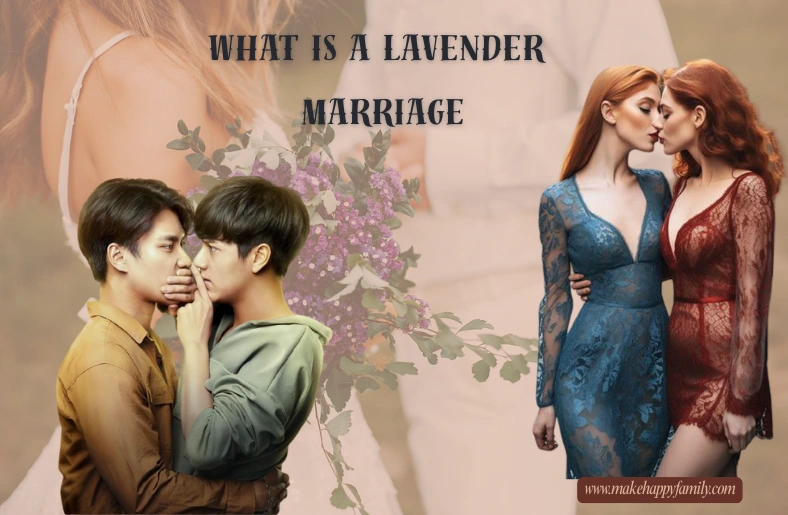
Have you ever wondered if there’s a way to build a meaningful life partnership that doesn’t follow traditional romantic expectations? In today’s evolving relationship landscape, many couples are rediscovering and reimagining what’s known as a “lavender marriage” – a term that’s gaining fresh relevance for modern partnerships.
A lavender marriage is a male–female mixed-orientation marriage, undertaken as a marriage of convenience to conceal the socially stigmatized sexual orientation of one or both partners. While historically used primarily in Hollywood’s golden age, lavender marriages are making a comeback today as young people discover the benefits of legally marrying a platonic life partner.
Whether you’re curious about this arrangement, considering it yourself, or simply want to understand the diverse ways people create meaningful partnerships, this guide will help you navigate the complexities, benefits, and considerations of lavender marriages in today’s world.
Last updated: August 18, 2025
Disclaimer: This post is for informational purposes only. For personalized relationship advice, please consult a licensed therapist or counselor who can provide guidance specific to your situation.
What Exactly Is a Lavender Marriage?

The term “lavender marriage” originated in the early 20th century, with the term ‘lavender’ reflecting a mix of traditionally gender-associated colors, symbolizing the blend of appearances in these arrangements.
Today’s lavender marriages can take several forms:
Traditional Definition:
A marriage between partners of different sexual orientations, often where one or both partners are LGBTQ+ and seek social protection or acceptance.
Modern Interpretation:
Gen Zers who are tired of being “broke, single, and lonely” are drawn to the idea of a rebranded “lavender marriage” as a way to enjoy marriage’s practical benefits without all the sex and romance.
Contemporary Variations:
- Platonic partnerships between close friends
- Arrangements for financial or legal benefits
- Marriages of convenience for immigration or family reasons
- Partnerships where both individuals prioritize companionship over romance
The Historical Context: From Hollywood to Today
Understanding the history helps us appreciate why lavender marriages are experiencing a resurgence. During the golden age of Hollywood, several LGBTQ+ celebrities entered lavender marriages to hide their sexuality. These clauses placed actors in a difficult situation as they put their livelihoods on the line and essentially pressured them into lavender marriages.
While the social pressures have evolved, the practical considerations that make lavender marriages appealing haven’t disappeared entirely. Today’s couples might choose this arrangement for entirely different reasons – financial stability, companionship, or simply a desire to redefine what marriage means to them.
7 Essential Things Modern Couples Need to Know
1. Clear Communication is Everything
Just like any successful partnership, lavender marriages require transparent, ongoing communication. Partners need to discuss:
- Expectations for the relationship
- Boundaries around dating others
- Financial arrangements
- Living situations
- Future goals and timeline
Pro tip: ✨ Schedule regular check-ins to ensure both partners remain comfortable with the arrangement.
2. Legal and Financial Benefits Are Real
Modern lavender marriages often provide tangible advantages:
- Health insurance coverage
- Tax benefits
- Social Security benefits
- Hospital visitation rights
- Inheritance rights
- Shared mortgage applications
- Emergency decision-making authority
3. Emotional Boundaries Require Careful Navigation
While these marriages may not be romantic, they still involve deep emotional connection and mutual care. Partners should establish:
- How to handle developing feelings
- Boundaries around physical affection
- Guidelines for introducing romantic partners to each other
- Protocols for major life decisions
4. Social Considerations Matter
Consider how you’ll navigate:
- Family expectations and explanations
- Friend group dynamics
- Workplace social events
- Community perceptions
- Children and parenting decisions (if applicable)
5. Exit Strategies Should Be Discussed
Even the most well-intentioned arrangements can change. Discuss:
- Conditions that might end the marriage
- Division of assets and responsibilities
- Timeline for potential separation
- How to handle custody arrangements (if children are involved)
- Maintaining friendship post-divorce
6. Modern Dating While “Married”
As the world of dating becomes more bleak and the loneliness crisis continues, could gay men and straight women shacking up be the answer? Many partners in lavender marriages continue dating others. This requires:
- Honest disclosure to potential romantic partners
- Clear agreements between spouses
- Time management and scheduling consideration
- Emotional support for each other’s romantic journeys
7. Professional Support Can Be Invaluable
Consider seeking guidance from:
- Relationship counselors familiar with non-traditional partnerships
- Legal advisors for contract specifics
- Financial planners for shared goals
- LGBTQ+-affirming therapists (when applicable)
Common Myths and Misconceptions
Myth: “Lavender marriages are always about hiding sexuality.” Reality: While historically true, modern lavender marriages often prioritize practical benefits and deep friendship over concealment.
Myth: “These relationships can’t be fulfilling.” Reality: Many partners report high satisfaction from companionship, mutual support, and shared life goals without romantic pressure.
Myth: “It’s just using someone for benefits.” Reality: Healthy lavender marriages involve mutual benefit, respect, and genuine care between partners.
The Psychology Behind Modern Lavender Marriages
Lavender marriages are when one-half of a couple is gay or lesbian, and the other half is straight. Can such marriages work? Recent psychological research suggests that successful non-romantic partnerships can provide:
- Reduced social isolation and loneliness
- Financial security and stability
- Emotional support and companionship
- Reduced pressure around traditional relationship expectations
- Freedom to pursue romantic connections without cohabitation stress
Dr. Sarah Mitchell, relationship therapist and author of “Modern Love Redefined,” explains: “Many of my clients find that removing romantic expectations actually strengthens their partnership foundation. They can focus on building trust, shared goals, and genuine friendship.”
Real-Life Considerations and Stories
Emma and Marcus’s Story: Emma, a lesbian teacher, and Marcus, a gay accountant, entered a lavender marriage three years ago. “We were both tired of explaining why we weren’t married at family gatherings,” Emma shares. “Now we have someone who truly understands us, shares expenses, and supports each other’s dating lives. It’s the most honest relationship I’ve ever been in.”
Financial Planning Together: Many modern lavender couples create detailed agreements covering:
- Shared expenses and individual spending
- Property ownership and improvements
- Retirement planning
- Emergency funds
- Insurance beneficiaries
Creating a Successful Lavender Marriage Agreement

Essential Elements to Include:
Living Arrangements:
- Household responsibilities
- Personal space and privacy
- Guest policies for romantic partners
- Pet ownership and care
Financial Framework:
- Income sharing or separation
- Bill payment responsibilities
- Large purchase decisions
- Savings goals and retirement planning
Social Guidelines:
- Public affection boundaries
- Social media representation
- Holiday and family time
- Friend group integration
Future Planning:
- Career support and relocations
- Children and parenting roles
- Aging and long-term care
- Relationship evolution possibilities
When Lavender Marriage Might Be Right for You
Consider this arrangement if:
- You value deep friendship over romantic partnership
- Financial and legal benefits are important to you
- You want companionship without traditional relationship pressure
- You’re seeking stability while maintaining independence
- You have compatible life goals and values
- You communicate well and respect boundaries
Potential Challenges to Consider
Emotional Complexity:
- Unexpected romantic feelings developing
- Jealousy around each other’s dating
- Family pressure for “real” romance
- Social stigma or misunderstanding
Practical Hurdles:
- Legal complications in some jurisdictions
- Insurance and benefit policy restrictions
- Tax implications and filing status
- Property and asset division complexity
Building Support Networks
Successful lavender marriages often benefit from:
- Connection with other non-traditional couples
- LGBTQ+-affirming community resources
- Professional counseling and legal advice
- Open-minded family and friend support
- Online communities and forums
The Future of Lavender Marriages
Lavender marriages are redefining partnership, offering financial stability and companionship without romance. As society becomes more accepting of diverse relationship structures, these partnerships may become increasingly recognized and supported.
Mental health professionals note that removing traditional romantic pressure can actually strengthen some partnerships, allowing people to focus on compatibility, shared values, and mutual support.
Conclusion: Redefining Love and Partnership
Lavender marriages remind us that meaningful partnerships come in many forms. Whether driven by practical needs, deep friendship, or a desire to challenge traditional relationship norms, these arrangements can provide genuine fulfillment and stability for the right couples.
The key to any successful partnership – romantic or otherwise – lies in honest communication, mutual respect, and shared values. If you’re considering a lavender marriage, take time to understand your motivations, discuss expectations thoroughly, and ensure both partners feel valued and supported.
Remember: there’s no single “right” way to build a life with someone you care about. You’re creating something beautiful and meaningful in your own way.
? Frequently Asked Questions
Q: What is the difference between a lavender marriage and a marriage of convenience?
While both involve practical considerations, lavender marriages typically include deeper emotional connection and mutual care, while marriages of convenience are purely transactional.
Q: Can lavender marriages include children?
Yes, many couples choose to co-parent, whether through adoption, surrogacy, or previous relationships. Clear agreements about parenting responsibilities are essential.
Q: How do you handle romantic relationships while in a lavender marriage?
Open communication is key. Many couples establish guidelines for dating, introducing new partners, and balancing time between spouse and romantic interests.
Q: Are lavender marriages legal everywhere?
The legal recognition varies by jurisdiction. It’s important to consult with a family law attorney in your area about specific rights and responsibilities.
Q: What happens if one partner wants to end the arrangement?
Like any marriage, lavender marriages can end in divorce. Having clear agreements about separation procedures, asset division, and ongoing friendship helps ensure a respectful transition.
➡️ Want to dive deeper? Read our previous blog post here : Summer Activities for Kids That Create Lifelong Memories Without Stress