
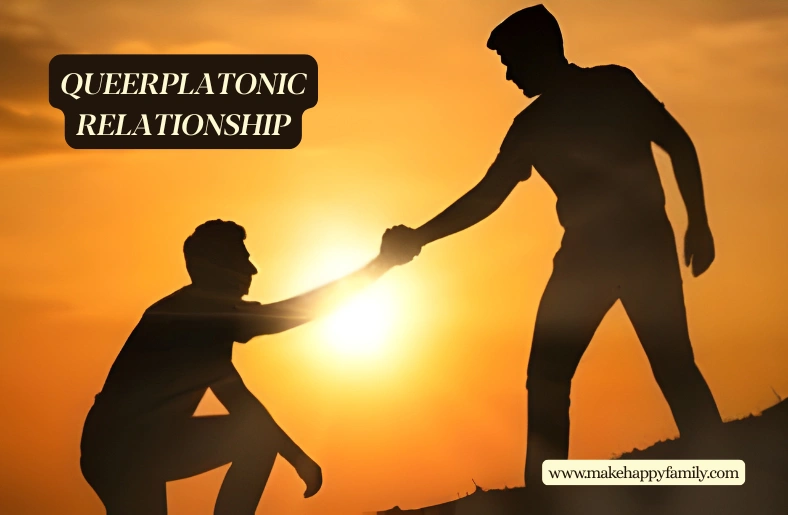
A queerplatonic relationship represents one of love’s most honest expressions a committed, soul-deep partnership that exists gloriously outside romantic frameworks, yet carries profound significance that can eclipse conventional relationships entirely. It’s the relationship that makes you rethink everything you thought you knew about love, commitment, and what it means to build a life with another human being.
Whether you’re already nurturing this sacred connection, questioning if your bond fits this description, or simply curious about relationship models that honor authenticity over tradition, this guide offers clarity, validation, and practical wisdom. You’ll encounter real voices from people living this experience, explore the nuances that make these partnerships unique, and receive tools to strengthen the connection that matters most to you.
Let’s honor the complexity, celebrate the courage, and illuminate the breathtaking beauty of relationships that dare to exist on their own terms.
Last updated: December 2, 2025
What Is a Queerplatonic Relationship? The Definition That Changes Everything

The queerplatonic relationship definition describes a deeply committed, emotionally intimate partnership that transcends conventional friendship boundaries while intentionally existing outside romantic or sexual frameworks. Born from LGBTQ+ and aromantic communities, the term “queerplatonic” beautifully disrupts the limiting assumption that life’s most significant partnerships must follow romantic scripts.
Imagine this: You wake up each morning knowing someone has your back unconditionally. You make life-altering decisions together where to live, career pivots, financial investments. You share secrets you’ve never told another soul. You’re building a future side by side, creating traditions that feel sacred, planning for the decades ahead. This person knows your fears, celebrates your victories, and sees the authentic you beneath every mask.
Now imagine all of this exists without romantic attraction, without the expectation of physical intimacy, without following society’s relationship rulebook.
That’s the revolutionary heart of a queerplatonic relationship.
The Soul-Deep Characteristics
These extraordinary partnerships often embody:
- Emotional intimacy of breathtaking depth—the kind where silence speaks volumes and vulnerability feels safer than it’s ever felt before
- Commitment that rivals marriage—sometimes formalized through legal agreements, domestic partnerships, or personal vows that honor the bond’s gravity
- Physical affection tailored to your comfort—perhaps you cuddle during movies, hold hands in public, share beds platonically, or prefer minimal touch; you define what feels authentic
- Life partnership in every practical sense—shared homes, blended finances, co-parenting arrangements, medical decision-making authority
- Priority that reflects true devotion—this person isn’t “just” anything; they’re your primary relationship, your chosen family, your north star
- Freedom from romantic scripts—no pressure to perform attraction, escalate physical intimacy, or meet milestones designed for a different type of love
The transformative beauty? You and your partner become architects of your own relationship, designing something that honors who you truly are rather than conforming to who society expects you to be.
Disclaimer: This post is for informational and educational purposes only, offering perspective and community wisdom rather than professional advice. For personalized guidance regarding your specific relationship, mental health, or emotional needs, please consult a licensed therapist or counselor familiar with alternative relationship structures and LGBTQ+ affirming practice.
Shattering Myths: What Queerplatonic Partnerships Really Are

Myth 1: “It’s Just a Really Close Friendship with a Fancy Name”
This dismissive perspective misses the profound distinction entirely. While friendships are treasures we absolutely need, queerplatonic bonds typically involve commitment structures and priority levels that extend far beyond even the closest friendships.
You’re not just hanging out regularly or being there for each other during crises. You’re intertwining your lives. You might be on each other’s insurance policies, listed as emergency contacts above blood relatives, joint homeowners, or co-signers on major purchases. You’re making decisions about where to live based on each other’s careers, planning retirement together, or establishing power of attorney arrangements.
These aren’t friendship activities they’re life partnership commitments that our society simply lacks proper language to honor outside romantic contexts.
Myth 2: “You’re Just Settling Because You’re Afraid of Romance”
This harmful assumption completely erases the validity of aromantic experiences and the genuine fulfillment many find in non-romantic intimacy. A queerplatonic relationship isn’t a consolation prize or a stepping stone to “real” partnership.
For many aromantic individuals, romantic attraction simply isn’t part of their emotional landscape and that’s not a deficit. It’s an orientation as valid as any other. For others who do experience romantic attraction, they may genuinely prefer the clarity, freedom, and authenticity of non-romantic partnership with certain people.
These relationships aren’t born from fear. They’re born from radical self-knowledge and the courage to honor what truly fulfills you, regardless of what tradition dictates.
Myth 3: “Without Romance, These Bonds Can’t Possibly Last”
Skeptics claim that without romantic love as the “glue,” these partnerships inevitably crumble. Yet countless queerplatonic partners have sustained decades-long bonds relationships that weather job losses, cross-country moves, health crises, and all the challenges any partnership faces.
The foundation? The same elements that sustain any healthy relationship: mutual respect, transparent communication, genuine compatibility, shared values, and deliberate commitment. Romance doesn’t have a monopoly on longevity chosen dedication does.
Queerplatonic Relationship Examples: Real Voices, Real Lives
Maya and Jordan’s Two-Decade Journey
Maya, a 42-year-old aromantic novelist, met Jordan at age 22 during their university years. What began as friendship quickly deepened into something both recognized as fundamentally different.
“We moved in together after graduation, and it just felt right in a way nothing else had,” Maya shares, her voice warm with affection. “People constantly asked when we’d start dating. They’d say, ‘You’re basically married already!’ And we’d explain we are life partners, just not romantic ones.”
Twenty years later, they’ve weathered Jordan’s father’s death, Maya’s battle with chronic illness, two cross-country relocations, and the beautiful mundane moments of building a life together. They co-own their home, share financial accounts, and consider themselves each other’s primary family.
“Jordan knows me better than anyone else in existence,” Maya reflects. “They’re who I want beside me for every major moment, every quiet Tuesday evening, every challenge ahead. The absence of romance doesn’t diminish what we have it clarifies it. We chose each other deliberately, outside any script, and that makes our bond feel even more ours.”
Alex and Sam: When Distance Can’t Diminish Devotion
A long distance queerplatonic relationship presents unique challenges, yet Alex and Sam have maintained their transcontinental bond for five years with unwavering dedication.
Alex, based in Seattle, met Sam during a work conference in Amsterdam. “We connected immediately,” Alex recalls. “Within hours, we were finishing each other’s sentences, sharing things we’d never told anyone. By the end of the week, we both knew this person was going to be central to our lives.”
Despite 5,000 miles of separation, they video call daily sometimes for hours, sometimes just ten minutes while making breakfast. They maintain a shared savings account for their “someday home,” alternating visits every few months, and consider each other family in every meaningful sense.
“People ask how we ‘make it work’ without the romantic relationship label to justify the effort,” Sam shares. “But that question reveals the assumption that only romance validates commitment. Alex is my person. Geography is logistics it doesn’t change what we mean to each other.”
Their connection includes vulnerability (Alex called Sam sobbing at 3 AM during a career crisis), celebration (they threw a joint virtual birthday party last year), practical support (Sam helped Alex navigate a medical diagnosis via video), and future planning (they’re researching cities where they might eventually live near each other).
Priya’s Evolved Bond: The Queerplatonic Relationship with Parent
While less commonly discussed, some adults report queerplatonic relationship with parent dynamics that transcend typical family roles, evolving into chosen partnership.
After Priya’s mother, Anjali, became widowed five years ago, their relationship transformed. “We’d always been close,” Priya explains, “but after Dad died, Mom and I became genuine partners in navigating life.”
They now share a duplex separate living spaces with deliberate boundaries, yet deeply intertwined lives. They make financial decisions together, travel as a duo, attend social events as each other’s plus-ones, and consider themselves a family unit beyond the parent-child dynamic.
“It’s not that I’m not still her daughter,” Priya clarifies. “But we’ve evolved into something that honors both our history and our present reality. We’re life partners who happen to also be mother and daughter. We’ve created something that works beautifully for us, even if it confuses others.”
This example illuminates how queerplatonic frameworks can help us name and honor relationships that defy traditional categorization, including within family structures.
Your Queerplatonic Relationship Checklist: Recognizing What You Have

Wondering if your extraordinary connection fits within this framework? Reflect honestly on these questions:
✅ The Emotional Depth Question: Does this person know parts of you that others never see? Do you share a vulnerability level that surpasses most relationships in your life?
✅ The Commitment Marker: Have you explicitly or implicitly established commitment that transcends casual friendship perhaps through living arrangements, financial entanglement, or stated intentions about your future together?
✅ The Decision-Making Reality: When facing major life choices career changes, relocations, significant purchases is this person’s input weighted as heavily as (or more than) family members or romantic partners?
✅ The Priority Check: If you had to rank relationships by importance, would this person occupy your top spot? Would you describe them as your “primary partner,” “person,” or chosen family?
✅ The Physical Intimacy Boundary: Do you share physical closeness whether cuddling, holding hands, sharing space, or other touch without romantic motivation or expectations?
✅ The Bespoke Agreement: Have you created boundaries, agreements, or relationship structures unique to your bond that don’t mirror typical friendships or romantic partnerships?
✅ The Label Frustration: When people ask about your relationship, do you struggle to find language that captures its significance? Does “friend” feel dismissive while “partner” invites romantic assumptions?
✅ The Future Vision: When you imagine your life five, ten, or twenty years from now, is this person present in your vision? Are you actively planning a future together?
If you’re nodding along to several of these, you’re likely nurturing a queerplatonic partnership or standing at the threshold of recognizing one that’s been forming all along.
Building and Nurturing Your Partnership: Practical Wisdom
Communication: The Sacred Foundation
Dr. Emma Richardson, a relationship therapist who specializes in alternative partnership structures and has worked with queerplatonic couples for over a decade, offers this insight: “Queerplatonic partnerships absolutely thrive on explicit, ongoing communication. Unlike romantic relationships where cultural scripts provide default expectations however flawed queerplatonic partners must articulate everything. And paradoxically, this creates stronger foundations.”
She continues, “When you can’t rely on assumptions about what your relationship ‘should’ look like, you’re forced into beautiful honesty. My queerplatonic clients often have clearer boundaries and better conflict resolution than many married couples I see.”
Conversation starters for deepening understanding:
- “What does commitment mean to you in the context of our relationship? How do we honor that?”
- “When conflict arises because it will what do you need from me? How do we repair?”
- “What physical boundaries feel nurturing versus uncomfortable? Can we check in regularly as this evolves?”
- “How do we want to explain our relationship to others? What language feels accurate and comfortable?”
- “What are the non-negotiables in our partnership? What requires flexibility?”
- “How do we want to handle major life transitions career opportunities in different cities, family obligations, health crises?”
Schedule regular “relationship check-ins” perhaps monthly or quarterly where you discuss what’s working beautifully and what needs adjustment. This proactive approach prevents small tensions from becoming relationship-threatening issues.
Creating Sacred Traditions: Rituals That Honor Your Bond
Without predefined relationship milestones like engagement anniversaries or wedding dates, intentionally create meaningful markers that celebrate your unique partnership.
Ideas that resonate for many queerplatonic partners:
- Your “Partnership Day”: Celebrate the day you moved in together, made your commitment official, or first named your relationship what it truly is
- Symbolic exchange rituals: Some partners exchange rings, bracelets, or other tokens that represent their commitment
- Annual traditions: A yearly camping trip, seasonal ritual, or destination you visit together that becomes “your thing”
- Weekly sacred time: Sunday morning coffee where phones stay off, Thursday evening walks where you process the week, or monthly overnight adventures
- Documentation practices: Some partners keep a shared journal, create photo books annually, or record voice memos to their future selves about their relationship journey
These rituals aren’t frivolous they’re the scaffolding that holds meaning in place, creating touchstones you’ll return to during challenging seasons.
Navigating Social Misunderstanding: Standing Strong Together
Our society desperately lacks vocabulary for partnerships outside romantic-or-friendship binaries, leading to exhausting explanations, painful invalidation, and the constant work of defending your relationship’s legitimacy.
Responses that honor your truth while protecting your energy:
- “They’re my life partner. We’re committed to building our future together, just not romantically.”
- “Think of it as the commitment level of marriage without the romantic component.”
- “We’re chosen family the relationship that comes first in both our lives.”
- “It’s a partnership that honors who we authentically are rather than fitting traditional expectations.”
- “Honestly, we don’t owe anyone an explanation. What matters is that our relationship works beautifully for us.”
Remember: You’re not required to educate everyone or justify your connection. Sometimes “This is my partner” without elaboration is enough. Save your emotional energy for relationships with people who respond with curiosity and respect rather than dismissiveness.
Supporting each other through others’ confusion, invalidation, or even hostility creates powerful resilience. Process these difficult interactions together, reminding each other that external understanding doesn’t determine your relationship’s validity.
The Queerplatonic Relationship Flag: Visibility and Community
The queerplatonic relationship flag features yellow and black stripes on a white background, symbolizing the space existing between romantic love (often represented by red/pink) and conventional friendship (represented by blue). The yellow represents warmth and emotional closeness; black represents those outside traditional attraction spectrums; white represents the blank canvas of defining your own relationship.
For many, this flag offers profound validation a visual representation that says, “Your experience is real, recognized, and celebrated within a community that understands.”
Beyond the flag, vibrant communities exist online where people in these partnerships share advice, celebrate relationship milestones, process challenges, and find the validation that mainstream society often withholds. Platforms like Reddit’s r/queerplatonic community, Discord servers dedicated to aromantic experiences, and social media hashtags create spaces where your relationship isn’t questioned it’s simply honored.
Connecting with others who understand can combat the isolation that comes from existing outside relationship norms. You’ll encounter people navigating similar joys and challenges, offering proof that you’re not alone in crafting partnerships that honor your truth.
When Distance Tests Your Devotion: Long Distance Wisdom
A long distance queerplatonic relationship requires exceptional intentionality, especially when you lack the cultural narrative that “romantic love justifies sacrifice.” You’ll need to articulate to yourself and others why maintaining connection across distance profoundly matters.
Strategies that sustain long-distance queerplatonic bonds:
Create non-negotiable connection rhythms: Establish consistent touchpoints daily good morning texts, weekly video dinners, monthly longer catch-up calls. Consistency builds security when physical presence isn’t possible.
Build shared digital experiences: Collaborate on Spotify playlists that evolve monthly, maintain shared Google Photos albums, play online games together, watch movies simultaneously while video calling, or read the same books and discuss them.
Make plans concrete and visible: Keep a shared calendar marking upcoming visits. Having specific dates creates something to anticipate during difficult stretches. Discuss long-term possibilities: “In three years, maybe we could both relocate to Portland?”
Honor asymmetric emotional labor: Some days, one partner carries the conversation because the other is depleted. This ebb and flow is healthy provided it balances over time. Check in about whether support feels reciprocal.
Celebrate small, ordinary moments: Send voice notes while grocery shopping. Text photos of your coffee setup. Share the mundane alongside the significant. Intimacy lives in ordinary moments, not just major events.
Process the grief of distance: It’s okay to mourn physical separation. Acknowledge the difficulty without letting it define your entire experience. “This is hard AND our connection is worth it” can both be true.
Physical proximity doesn’t determine commitment’s authenticity. Your bond’s depth isn’t measured in miles it’s measured in chosen devotion across whatever distance exists.
Also Read: Amble Health
Meeting Emotional Needs: The Psychology of Non-Romantic Intimacy
These partnerships fulfill profound human needs safety, belonging, intimacy, security, being truly known entirely outside romantic frameworks. This reality challenges our culture’s deeply embedded narrative that romantic love represents humanity’s ultimate connection.
Dr. Marcus Chen, a clinical psychologist specializing in attachment and relationship diversity, offers this perspective: “Queerplatonic relationships beautifully demonstrate that humans possess capacity for multiple attachment styles and deep bonds. They expand our understanding of love beyond the narrow romantic-sexual channel we’ve culturally prioritized.”
He continues, “From an attachment theory perspective, these partnerships can provide secure attachment that sense of having a safe home base as effectively as any romantic relationship. What creates secure attachment isn’t romance; it’s consistent availability, responsive attunement, and trustworthy presence. Queerplatonic partners absolutely provide this.”
Practices for nurturing emotional intimacy:
Vulnerability as practice: Share the fears you’ve never voiced, the dreams that feel too fragile to speak aloud, the shame you carry. Create space where nothing is too much or too broken.
Witness without fixing: When your partner shares pain, resist the urge to immediately problem-solve. Sometimes the gift is simply bearing witness, offering presence without agenda.
Celebrate growth together: Notice and name when you see your partner evolving, taking brave steps, or becoming more themselves. “I see how hard you’re working on this” carries profound weight.
Develop conflict repair rituals: After difficult conversations, have practices for reconnection perhaps a specific phrase (“Are we okay?”), a physical gesture, or a ritual (making tea together) that signals repair.
Express appreciation specifically: Move beyond generic “I appreciate you” to “I notice how you always remember what matters to me, like asking about that work presentation I was anxious about.”
Create emotional safety consistently: Show up reliably, honor confidences absolutely, respond to vulnerability with tenderness rather than judgment.
Conclusion: Honoring Love in All Its Forms
A queerplatonic relationship is a beautiful reminder that love refuses to be contained by traditional labels. Whether you’re already in this type of partnership or just beginning to recognize what you have, trust this: your bond is valid, real, and deserving of celebration exactly as it is.
You don’t need anyone’s permission to define your relationship on your own terms. Keep communicating openly, honoring your shared boundaries, and building the future you both envision. Your connection matters deeply, and you’re creating something genuinely meaningful together.
? FAQs About Queerplatonic Relationships
Can you have a queerplatonic relationship and a romantic relationship at the same time?
Yes. Many people maintain both types of partnerships simultaneously, often within polyamorous structures, as long as there’s clear communication and consent from everyone involved.
Is physical affection part of queerplatonic relationships?
It depends entirely on the partners. Some include cuddling, hand-holding, or other physical touch; others prefer minimal contact. You define what feels right for your bond.
How is this different from a very close friendship?
The difference typically lies in commitment depth, life entanglement, and priority level queerplatonic partners often make major decisions together and consider each other primary family in ways that exceed typical friendships.
Are these relationships only for aromantic people?
No. While common in aromantic communities, anyone can form queerplatonic partnerships. People of any orientation may prefer non-romantic intimacy with certain partners.
How do you explain your queerplatonic relationship to others?
Simple phrases work well: “They’re my life partner, just not romantically,” or “We’re committed partners building a future together.” You can also simply say “partner” without elaborating if you prefer.