

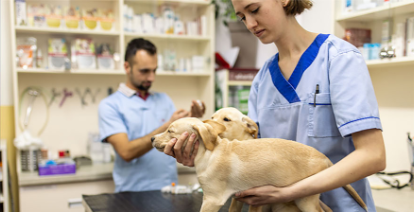
Animals share neighbourhoods, parks, forests, farms, and many other places with people. Their needs may differ, but every animal depends on suitable food, water, shelter, and protection from unnecessary harm. On thewordstarter.com, readers can learn practical ways to support animal welfare while understanding the responsibilities that come with living alongside different species.
Understanding Basic Animal Needs
Animals need more than food alone to remain healthy and active. They also require clean water, appropriate shelter, enough space, and conditions suited to their species. A pet living indoors has different needs from a wild bird or a farm animal. Responsible care begins with understanding those differences before making decisions about feeding, housing, or handling.
Food should match an animal’s natural dietary needs and individual health requirements. Dogs and cats need balanced diets designed for their species, age, and condition. Wild animals usually benefit more from healthy habitats than from food offered by people. Feeding the wrong items can create digestive problems, encourage unhealthy dependence, or attract animals into unsafe locations.
Water is equally important because animals lose moisture through normal body functions and physical activity. During hot weather, outdoor animals may need reliable access to clean drinking water. Water bowls should be checked regularly and cleaned when dirt or debris collects inside them. For wildlife, preserving natural water sources and suitable vegetation can support many species at once.
Helping Animals During Summer
Hot weather can become dangerous for animals when they cannot escape direct sunlight. Pets should have access to shade, fresh water, and comfortable resting areas throughout warm days. Dogs should never be left inside parked vehicles because temperatures can rise quickly. Even a short period inside a hot vehicle may create a serious emergency.
Walking pets during cooler hours can reduce their exposure to extreme heat. Hot pavement can also damage sensitive paw pads, especially when the ground has been exposed to sunlight. Owners should watch for heavy panting, weakness, unusual drooling, or difficulty moving. Suspected heatstroke requires urgent veterinary attention rather than waiting for symptoms to disappear.
Wildlife may also struggle when natural water and food supplies become limited. People can support local habitats by protecting native plants and avoiding unnecessary disturbance around streams and ponds. Any wildlife water station should be maintained carefully to prevent contamination and disease transmission. Local wildlife organisations can explain which actions are suitable for the species living nearby.
Providing Shelter in Winter
Cold weather creates different challenges, especially for small animals and pets spending time outdoors. Animals need dry resting areas that protect them from wind, rain, and freezing conditions. Pet owners should ensure that outdoor housing remains suitable for the animal’s breed, size, and health. Some animals may need to spend more time indoors when temperatures become severe.
Wild birds benefit from suitable vegetation that provides cover during cold and wet weather. Native shrubs and trees can offer resting places while supporting insects and other natural food sources. Bird feeders may help in certain conditions, but they require regular cleaning and responsible placement. Poorly maintained feeding stations can spread disease among birds that gather closely together.
People should avoid disturbing animals that are resting or sheltering during difficult weather. Wild animals may use natural cavities, burrows, or sheltered spaces to conserve energy. Removing vegetation or blocking access to these places can create unnecessary problems. Before changing a habitat, consider whether local wildlife may depend on that area.
Making Gardens Wildlife Friendly
Gardens can provide valuable resources for insects, birds, and small mammals when designed thoughtfully. Native plants often support local pollinators and other wildlife more effectively than unsuitable ornamental species. A mixture of flowering plants, shrubs, and trees can create several feeding and shelter options. These features also make gardens more interesting without requiring constant human intervention.
Avoiding unnecessary pesticide use can reduce risks to insects and other animals. Chemical treatments may affect beneficial species as well as the pests they are intended to control. Choosing suitable plants, removing damaged vegetation, and encouraging natural predators can sometimes reduce pest problems. When treatment becomes necessary, follow product directions and local safety guidance carefully.
Garden ponds should include safe access points where small animals can escape if they fall inside. Loose netting, deep uncovered containers, and exposed drainage openings may trap wildlife. Regular checks can identify hazards before animals become injured. Small changes to garden design can improve safety for many species sharing the space.
Treating Pets With Care
Responsible pet ownership requires time, patience, money, and regular attention. Before bringing an animal home, people should consider their available space and daily schedule. Different species have different exercise, grooming, social, and veterinary requirements. Choosing an animal without understanding these needs can create difficulties for both the pet and its owner.
Dogs usually need suitable exercise, training, social contact, and opportunities to explore safely. Cats require clean litter areas, hiding places, scratching surfaces, and opportunities for suitable play. Small animals such as rabbits need enough room to move, appropriate diets, and gentle handling. A cage or enclosure alone cannot meet every physical and behavioural need.
Veterinary care helps protect pets against preventable illness and identify problems early. Routine examinations, vaccinations, dental care, and parasite prevention may be recommended depending on the animal. Owners should also seek professional advice when behaviour or appetite changes unexpectedly. Responsible care means responding to health needs rather than assuming that every problem will resolve naturally.
Supporting Animal Rescue Groups
Animal shelters and rescue organisations often help abandoned, injured, or neglected animals. They may provide temporary housing, medical treatment, rehabilitation, and support for suitable adoptions. These services require staff time, funding, equipment, and reliable community assistance. People can help by learning what their local organisations actually need.
Donations can be useful when they match the organisation’s current requirements. Some shelters need food, bedding, cleaning supplies, or veterinary funding more urgently than toys. Checking donation guidelines prevents useful items from becoming extra storage problems. Financial contributions may also help organisations respond quickly when unexpected cases arrive.
Volunteering can provide practical assistance with cleaning, feeding, transport, administration, or adoption events. Each organisation has different rules and training requirements for volunteers. People should choose tasks that match their skills and available time. Consistent support is often more valuable than making promises that become difficult to maintain.
Helping Injured Wildlife Safely
Finding an injured wild animal can be upsetting, but immediate handling is not always the best response. Some young animals are left alone temporarily while their parents search for food. A fledgling bird on the ground, for example, may be learning to fly under parental supervision. Observing from a distance can help determine whether intervention is genuinely necessary.
If an animal appears seriously injured, contact a qualified wildlife rehabilitator or local animal rescue service. Explain the animal’s location, visible condition, and any immediate dangers nearby. Avoid giving food, water, or medication unless a qualified professional provides specific instructions. Incorrect handling can worsen injuries or expose people to bites and disease.
Wild animals may become highly stressed when people approach or attempt to capture them. Keep children and pets away while waiting for professional guidance. Never put yourself in danger by approaching aggressive, large, or unfamiliar animals. Following local wildlife advice gives the animal a better chance of receiving suitable care.
Reducing Everyday Wildlife Risks
Household rubbish can attract animals and expose them to harmful materials. Secure bins help prevent wildlife from eating spoiled food or scattering waste across neighbourhoods. Plastic rings, fishing lines, and other discarded objects can trap animals or cause injuries. Proper disposal reduces these hazards before animals encounter them.
Roads create another common risk for wildlife moving between feeding and shelter areas. Drivers should pay attention to warning signs and reduce speed where animals frequently cross. If an animal appears near the road, sudden unsafe movements can create additional danger. Local authorities may install wildlife crossings or warning systems in areas with repeated collisions.
Windows can also injure birds when reflections make glass appear like open sky or vegetation. Suitable external window markers, screens, or other bird-safe treatments can reduce collision risks. Lighting choices may also matter in places where migrating birds travel at night. Small changes around homes and buildings can prevent avoidable wildlife injuries.
Teaching Children Animal Respect
Children can learn compassion by observing animals without forcing contact. Adults should explain that pets need rest, personal space, and gentle handling. Children should never chase animals, pull their tails, or disturb them while eating. These lessons protect children while helping animals feel safer around people.
Nature walks offer opportunities to notice birds, insects, tracks, and other signs of animal activity. Children can learn by watching quietly instead of trying to catch everything they discover. A simple notebook can help them record observations and ask useful questions. This approach encourages curiosity while respecting the needs of wildlife.
Books, documentaries, and supervised visits to reputable animal centres can expand children’s understanding. Adults should explain that wild animals are not automatically suitable as pets. Different species need specialised environments, diets, and professional care. Education helps children appreciate animals without treating them as toys or possessions.
Conclusion
Helping animals does not always require large donations or major changes because everyday choices can make a real difference. Providing responsible pet care, protecting local habitats, reducing waste, and contacting trained rescuers when needed are useful starting points. People should focus on actions that suit their local environment and follow guidance from qualified animal professionals. Readers visiting thewordstarter.com can continue exploring animal welfare topics and turn greater understanding into practical support for pets, wildlife, and the natural spaces they depend on. Take one realistic step today, then build better habits through consistent and responsible action.
Read also :-