

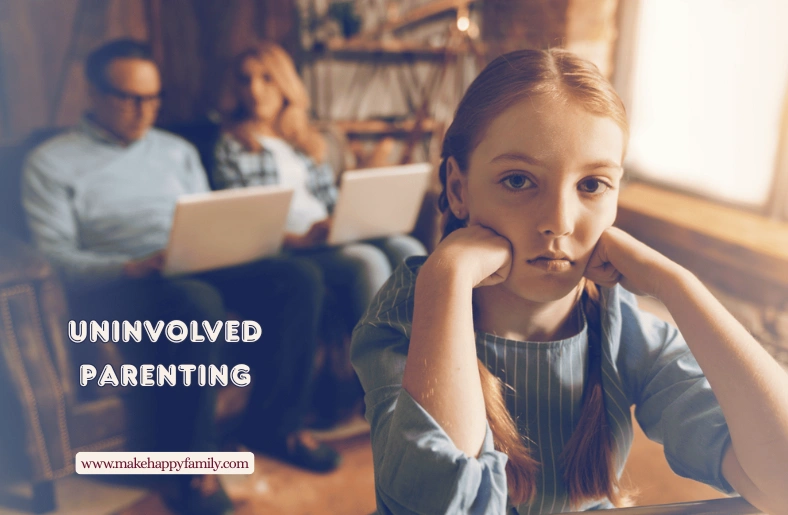
Ever notice a child who seems emotionally distant, even in a room full of family? Or maybe you’ve caught yourself going through the motions of parenthood feeding, clothing, housing but feeling a million miles away from truly being there?
You’re not alone. And what you’re witnessing (or experiencing) might be uninvolved parenting one of the most misunderstood and quietly damaging approaches to raising children.
This isn’t about pointing fingers or adding guilt to your already full plate. It’s about recognition, understanding, and hope. In this post, you’ll see what this parenting pattern actually looks like, why it happens to good people, how it affects kids long-term, and most importantly—what you can do starting today to rebuild connection and warmth in your home.
Let’s talk about something that doesn’t get nearly enough attention in parenting circles.
Last updated: December 12, 2025
Disclaimer: This post is for informational purposes only. For personalized advice, please consult a licensed therapist or counselor.
What Is Uninvolved Parenting? A Clear Definition
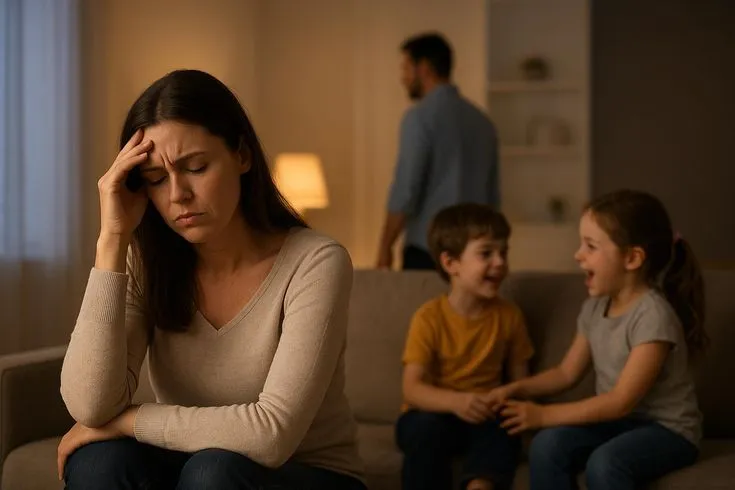
The uninvolved parenting definition is straightforward but sobering: it’s a style where parents provide basic physical needs food, shelter, clothing but remain emotionally detached and largely disengaged from their child’s daily life.
Psychologists call it “neglectful parenting” because it lacks two critical ingredients every child needs: emotional responsiveness and behavioral guidance.
This approach sits at the opposite end of the spectrum from helicopter or authoritative parenting. There are no rules, no warmth, no checking in on homework or feelings. Kids are left to essentially raise themselves.
Dr. Diana Baumrind, the developmental psychologist who identified four parenting styles in the 1960s, described this pattern as low in both demandingness (expectations and structure) and responsiveness (emotional warmth and attention).
It’s not always intentional. Many parents fall into this pattern due to overwhelming stress, mental health struggles, addiction, or simply never having been parented well themselves.
Real-Life Examples: What Does Uninvolved Parenting Actually Look Like?

Uninvolved parenting examples can be subtle or obvious. Here are scenarios that might ring a bell:
At home:
- A 7-year-old makes their own breakfast, lunch, and dinner because no adult is available or engaged
- Kids go to bed whenever they want with no routine or tucking in
- Report cards come home unsigned because no one asked about school
- A teenager talks about being bullied, and the parent responds with “Kids are mean, deal with it” without follow-up
In public:
- A toddler wanders away at the park while the parent scrolls through their phone, unaware
- A child acts out in a store, and the parent ignores it completely—no correction, no comfort
- School calls about a behavior issue, and the parent doesn’t return the call or attend meetings
Emotionally:
- A child shares something exciting, and the parent responds with a distracted “That’s nice” without eye contact
- No one asks “How was your day?” or “How are you feeling?”
- Birthdays and milestones pass without acknowledgment
These aren’t occasional off days. We all have those. This is a consistent, pervasive pattern where children feel invisible in their own homes.
The Core Characteristics: How to Recognize Uninvolved Parenting Pattern

Uninvolved parenting characteristics create a specific emotional climate. Here’s what typically shows up:
Emotional absence Parents are physically present but emotionally checked out. There’s no warmth, no affection, no meaningful conversation. Hugs and “I love yous” are rare or nonexistent.
Lack of supervision Kids are left alone for long periods without appropriate oversight for their age. No one knows where they are, who they’re with, or what they’re doing.
Minimal communication Conversations are functional at best: “Did you eat?” “Go to bed.” There’s no curiosity about the child’s inner world, friendships, fears, or dreams.
No expectations or boundaries Children receive little to no guidance about behavior, values, homework, or life skills. They’re left to figure everything out alone.
Indifference to achievements or struggles Whether a child brings home straight A’s or fails a class, the response is the same: nothing. No pride, no concern, no follow-through.
Self-focused priorities The parent’s needs, work, relationships, or substances consistently take precedence over the child’s emotional and developmental needs.
As a family therapist I work with often says: “These children aren’t being raised they’re being housed.”
Why This Happens: The Real Reasons Behind the Distance
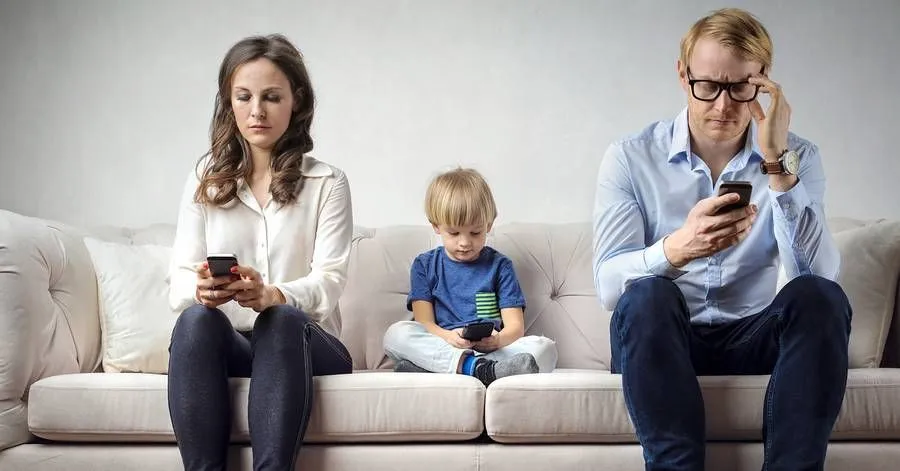
Before we judge, we need to understand. Most uninvolved parents aren’t monsters they’re drowning.
Mental health struggles Depression, anxiety, PTSD, or unresolved trauma can make it nearly impossible to emotionally engage. Parents may be barely keeping their own heads above water.
Substance abuse Addiction fundamentally alters priorities and availability. The substance becomes the relationship, and children become secondary.
Overwhelming stress Working multiple jobs, financial crisis, chronic illness, or caring for elderly parents can leave someone with nothing left to give emotionally.
Their own childhood Parents who were raised with emotional neglect often don’t know what healthy engagement looks like. You can’t give what you never received.
Relationship breakdown A painful divorce, custody battle, or toxic co-parenting situation can leave parents so emotionally depleted they check out from everyone.
Lack of support Single parents without family or community support, or married parents in emotionally distant partnerships, often face overwhelming isolation.
Understanding these roots doesn’t excuse the impact on children—but it helps us approach solutions with compassion rather than condemnation.
The Profound Impact: Effects on Child Development
The uninvolved parenting effects on child development are well-documented and heartbreaking. Children need emotional connection like they need food and air.
Emotional consequences:
- Deep-seated feelings of worthlessness and unlovability
- Difficulty identifying and expressing emotions
- Higher rates of depression and anxiety into adulthood
- Attachment issues that affect all future relationships
Behavioral patterns:
- Poor impulse control due to lack of boundaries growing up
- Higher risk of substance abuse as teenagers and adults
- Difficulty following rules or respecting authority
- Either extreme independence or desperate people-pleasing
Academic struggles:
- Lower grades and higher dropout rates
- No one at home values education or provides support
- Lack of executive function skills (organization, time management)
- Reduced cognitive development compared to peers
Social challenges:
- Trouble forming healthy friendships
- Either withdrawn and isolated or attention-seeking and aggressive
- Difficulty trusting others or reading social cues
- Higher risk of being bullied or becoming a bully
Long-term outcomes: Research from the American Psychological Association shows that children of uninvolved parents often struggle with self-esteem, have higher rates of mental health disorders, and experience difficulty maintaining stable relationships and employment in adulthood.
One study published in Developmental Psychology found that these children scored lowest across nearly every measure of wellbeing compared to children raised with other parenting styles.
As one young adult who grew up this way told me: “I spent my whole childhood wondering what was so wrong with me that my own parents couldn’t be bothered to care.”
Common Misconceptions: What Uninvolved Parenting Isn’t
Let’s clear up some confusion:
It’s not the same as giving kids independence Healthy autonomy comes with a safety net of emotional support. The uninvolved parenting style offers neither structure nor warmth—just absence.
It’s not about working parents Plenty of working parents maintain deep emotional connections with their children. This is about quality and presence, not quantity of hours.
It’s not occasional burnout Every parent has days or weeks where they’re running on empty. This pattern is chronic and pervasive, lasting months or years.
It’s not permissive parenting Permissive parents are warm and loving but lack boundaries. Uninvolved parents lack both warmth and boundaries.
It’s not always obvious neglect A child may be well-fed, clean, and in a nice home—but still emotionally abandoned. This is why it often goes unnoticed.
The Path Forward: Rebuilding Connection Step by Step
If you’ve recognized yourself in these descriptions, take a breath. Awareness is the first step, and you’re already there.
Start with self-compassion You can’t pour from an empty cup. If mental health issues, trauma, or stress are driving your disconnection, seeking help for yourself is the most loving thing you can do for your children.
Begin with presence, not perfection You don’t need to become parent of the year overnight. Start with 10 minutes of undistracted time daily. Put down your phone. Make eye contact. Ask one genuine question: “What made you smile today?”
Create small rituals Rituals build connection without overwhelming anyone:
- A goodnight hug and “I’m glad you’re mine”
- Saturday morning pancakes together
- A quick check-in text during the day: “Thinking of you 💙”
- Weekly pizza-and-movie night
Practice emotional availability When your child shares something—anything—stop what you’re doing. Turn toward them. Respond with curiosity: “Tell me more about that.” Validate their feelings: “That sounds really hard” or “I can see why you’re excited.”
Set simple, consistent boundaries Kids need structure. Start with one or two non-negotiables:
- Dinner at 6 p.m. together (phones away)
- Bedtime at 8:30 p.m. with a bedtime story
- Homework before screen time
Seek professional support Family therapy can help repair relationships and teach new patterns. Individual therapy addresses the root causes making connection difficult.
Build your village Parenting wasn’t meant to be done alone. Reach out to family, friends, support groups, or parenting communities. The more supported you feel, the more you can give.
Apologize and reconnect If your children are old enough, you can say: “I know I haven’t been there for you the way I should have. I’m sorry. I’m working on changing that, and I want you to know you matter to me.”
Children are remarkably forgiving when they see genuine effort.
Also Read: Dysfunctional Family
For Partners: How to Support Someone Struggling with Uninvolved Parenting Pattern
If your partner shows signs of the uninvolved parenting approach, handle it with care:
Start with curiosity, not criticism “I’ve noticed you seem really overwhelmed lately. What’s going on?” works better than “You’re never there for the kids.”
Acknowledge their struggles “I know you’re dealing with a lot right now” creates safety for honest conversation.
Share specific observations gently “When Maya tried to show you her drawing yesterday, I noticed you were on your phone. I think it hurt her feelings. Can we talk about what’s making it hard to engage?”
Suggest solutions as a team “What if we tag-teamed bedtime? I can handle three nights, you handle three, and we both do Sundays together?”
Encourage professional help “I think talking to someone might help you feel better and help us be better parents together.”
Take up some slack while they heal If they’re dealing with depression or trauma, you may need to be the primary emotional caregiver temporarily while they get support.
Don’t enable indefinitely Compassion doesn’t mean accepting ongoing neglect. If nothing changes despite support and resources, you may need to make harder decisions to protect your children’s wellbeing.
Conclusion: Uninvolved Parenting
Here’s what I want you to hold onto: uninvolved parenting doesn’t have to be a permanent label. It’s a pattern and patterns can change.
Whether you’re recognizing this in yourself, your partner, or your own childhood, understanding it is the first step toward healing. Children are incredibly resilient when they feel genuinely seen and valued. It’s not about being perfect. It’s about being present.
Your kids don’t need a flawless parent. They need one who shows up, tries, apologizes when they fall short, and keeps reaching toward connection even when it’s hard.
You’re reading this because you care. That already puts you ahead of where you might have been yesterday.
? FAQs About Uninvolved Parenting
Can uninvolved parenting be reversed?
Yes. With awareness, effort, and often professional support, parents can rebuild emotional connections with their children. The earlier the intervention, the better but it’s never too late to start trying.
How is this different from parents who work long hours?
Working parents can still maintain deep emotional bonds through quality time, consistent communication, and genuine interest in their children’s lives. The key difference is emotional availability and intentional connection, not the number of hours physically present.
What should I do if I see signs of this in a family I know?
Approach with compassion rather than judgment. Offer practical support: “Can I bring dinner over?” or “Want me to watch the kids so you can rest?” If you suspect serious neglect, contact local child protective services they can connect families with resources.
How does this affect teenagers differently than younger children?
Teenagers from uninvolved homes often show more dramatic acting-out behaviors substance use, risky sexual behavior, truancy, or running away. They may also become pseudo-adults, taking care of younger siblings or the parent themselves, missing out on their own adolescence.
Is it possible to be uninvolved with some children but not others?
Yes, unfortunately. Parents sometimes favor one child or struggle to connect with a child whose personality or needs differ from their expectations. This creates especially painful dynamics for the less-favored child.